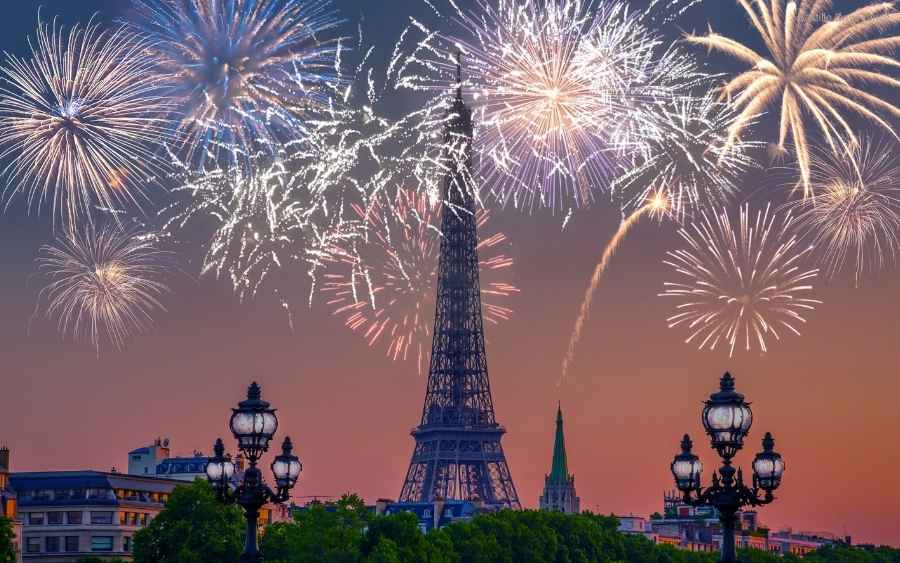
Every year on the night of July 13, something quietly extraordinary happens in Paris and many other cities around France. The fire stations of the city — usually closed iron gates and the hush of waiting trucks — throw open their doors. Music spills out into the streets. People come in their summer dresses and linen shirts, with cold rosé and laughter, and they dance until the small hours under strings of bulb lights with the men and women who, the rest of the year, save their lives. It is called the Fête des Pompiers or Le Bal des Pompiers, the Firefighters’ Ball, and it is the unofficial beginning of Bastille Day.
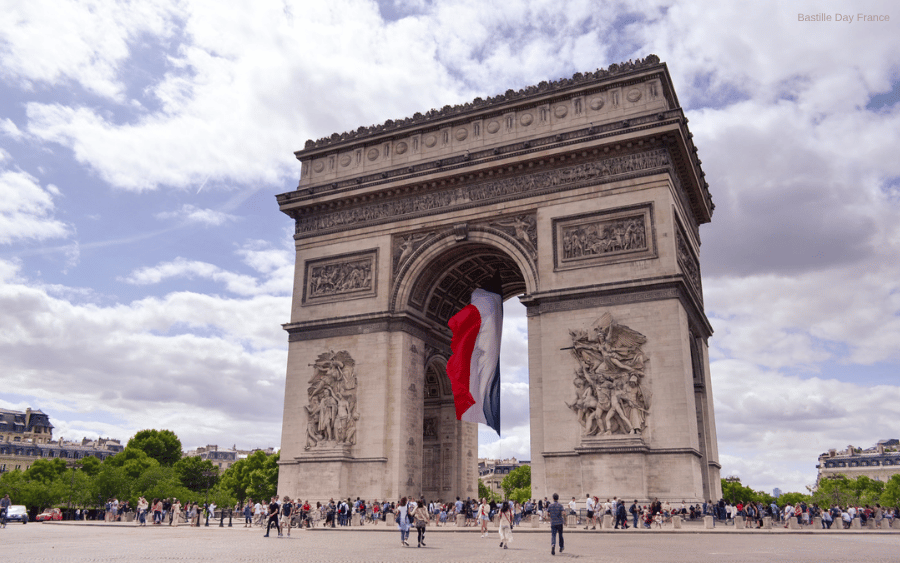
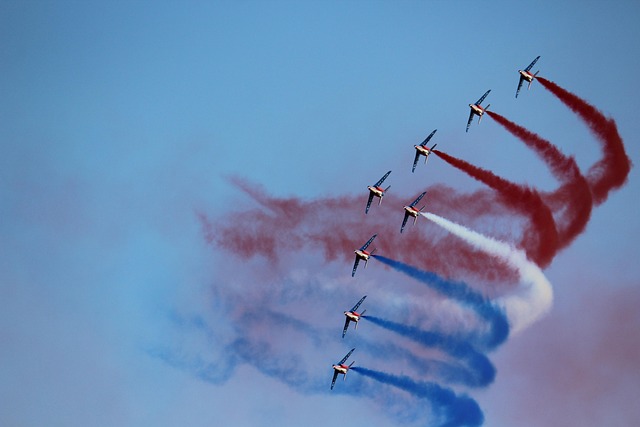
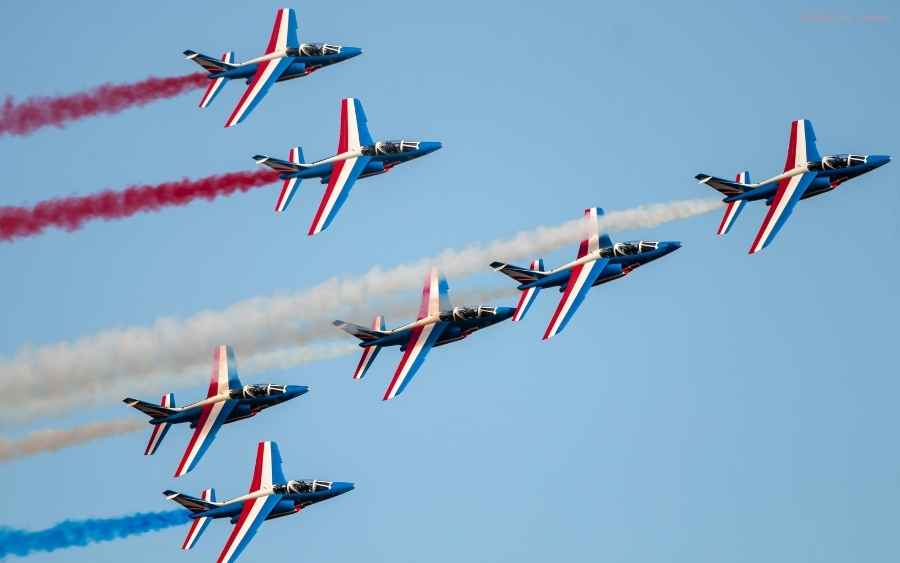
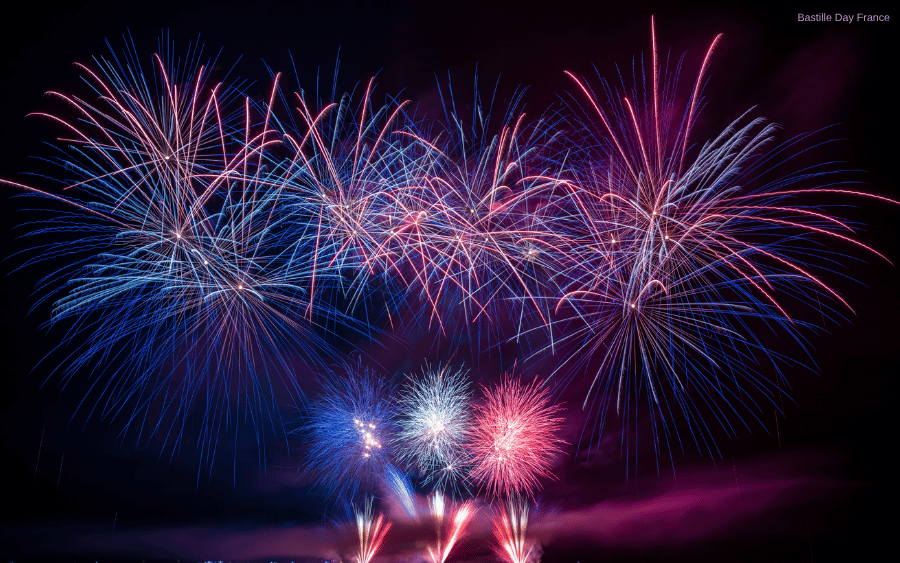
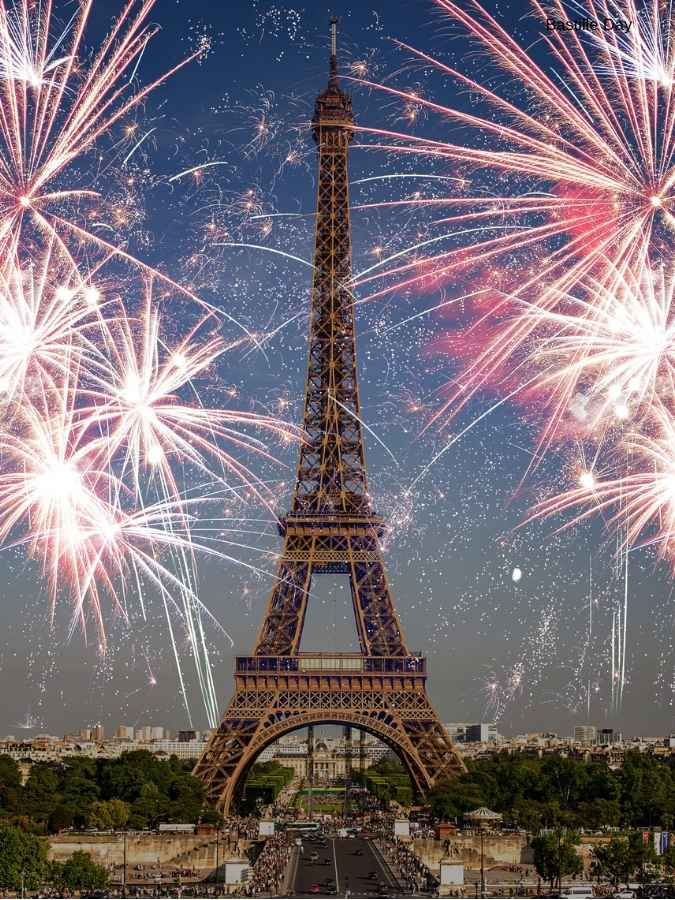
The next morning, fighter jets streak the sky over the Champs-Élysées trailing blue, white, and red, and an extensive Military Parade takes place, with all branches of the military represented. Starting at the Arc de Triomphe, the French President and other government officials watch from the stands at the end on the Place de la Concorde. By nightfall, the Eiffel Tower will explode in colorful fireworks above the Champ de Mars, watched by half a million people sitting on blankets in the warm grass. Somewhere between those two moments — between the dancing and the fireworks — France remembers who it is.
If your travels bring you to France in mid-July, you are not visiting at an inconvenient time. Le 14 Juillet — Bastille Day — is the day France celebrates itself, and there is no more joyful, more communal, or more deeply French moment in the entire calendar.
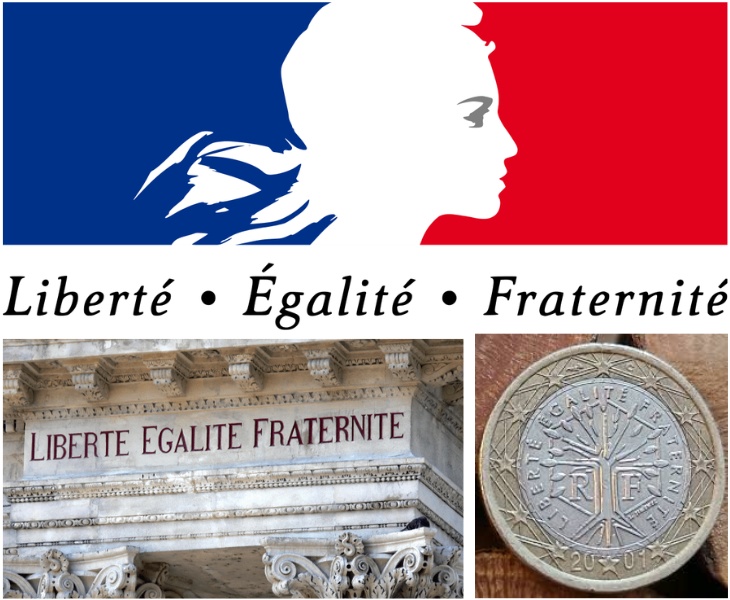
Liberté, Égalité, Fraternité. — the motto of the French Republic
Read on to explore the history, significance, and practical elements of the 14th of July!
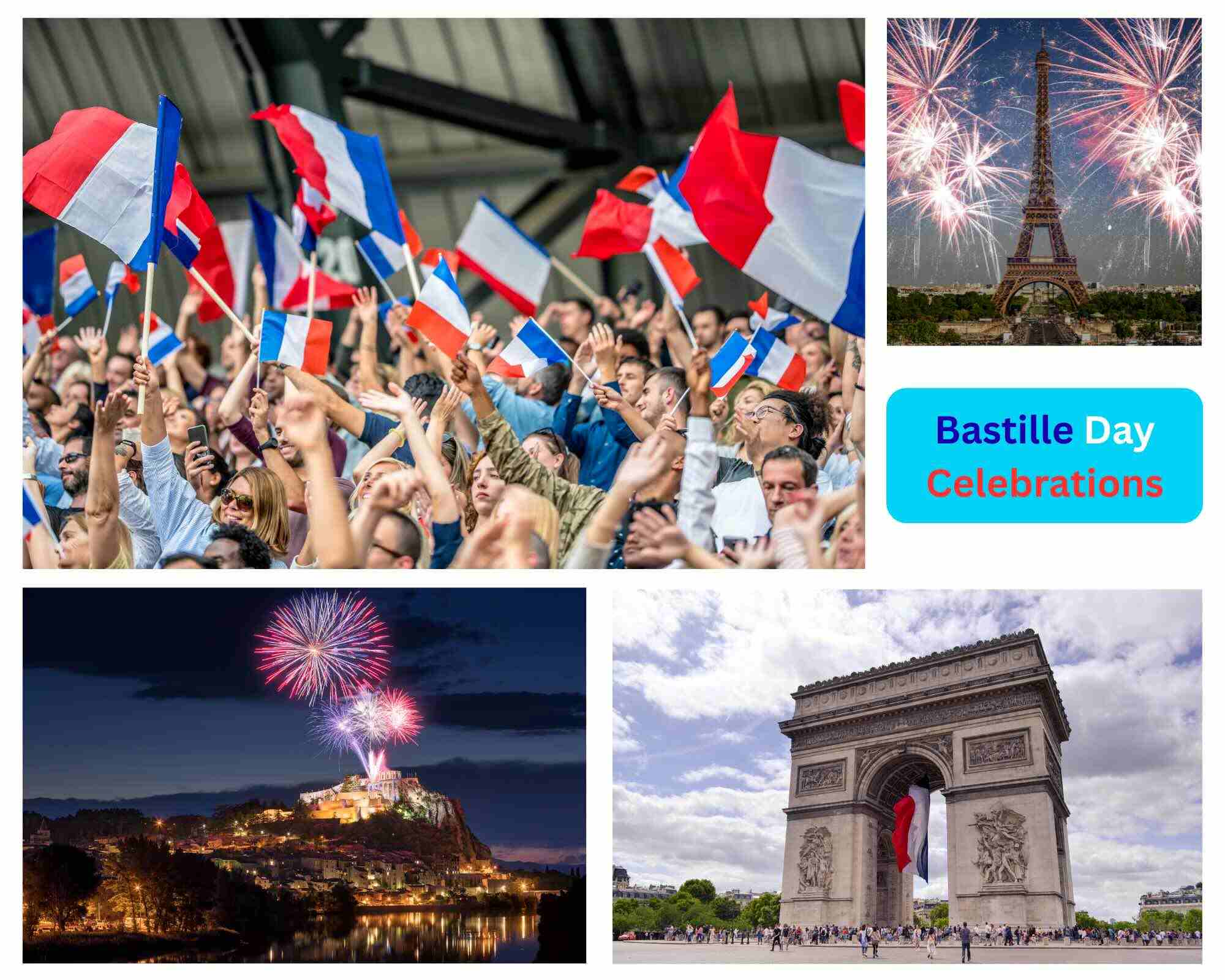
What Is Bastille Day in France?
Bastille Day — known in French simply as la Fête Nationale (the National Holiday) or le Quatorze Juillet (the Fourteenth of July) — is the national holiday of France, celebrated every year on July 14. It commemorates the storming of the Bastille prison in 1789, a defining moment of the French Revolution and the beginning of the end of absolute monarchy.
Today, it is a nationwide celebration: military parades, fireworks, free concerts in town squares, open-air dances on village riverbanks, and the kind of unhurried, generous public joy that the French do better than almost anyone.
Why Is Bastille Day Important?
Bastille Day represents the birth of modern French democracy and the three ideals etched into the pediment of every mairie (town hall) in the country:
Liberté — Liberty | Égalité — Equality | Fraternité — Fraternity
It commemorates revolution and unity in equal measure — honoring both the fall of royal absolutism and the rise of citizen sovereignty. It is, in many ways, the day on which the French Republic was born.
The History of Bastille Day and the French Revolution
What Led to the French Revolution?
By the late 1700s, France was governed under the Ancien Régime — the Old Regime — a deeply unequal system that divided society into three estates, each with equal voting power:
- The Clergy — the First Estate
- The Nobility — the Second Estate
- The Common People — the Third Estate, comprising over 95% of the population
The Third Estate carried nearly all of the tax burden while having almost no political voice. By the spring of 1789, an empty royal treasury, two consecutive bad harvests, and the soaring price of bread had pushed the country to its breaking point. When King Louis XVI summoned the Estates-General at Versailles in May, the Third Estate broke away and declared itself the Assemblée nationale — the National Assembly. The Revolution had begun!
The Storming of the Bastille (July 14, 1789)
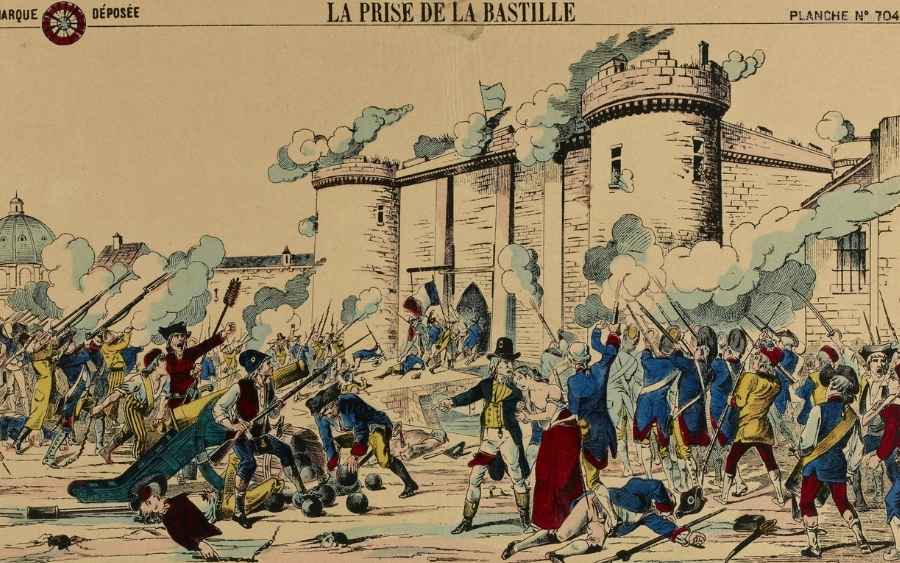
The Bastille Saint-Antoine was a medieval fortress on the eastern edge of Paris, originally built in the 14th century to defend the city against the English. By 1789, it had become a state prison and a symbol — perhaps the symbol — of royal arbitrary power. Citizens could be sent there by simple order of the king, without trial, without explanation, sometimes for decades.
On the morning of July 14, the streets of Paris were already roiling. Rumors had spread that the king was massing troops to crush the new Assembly. The people needed gunpowder. There was gunpowder at the Bastille.
By afternoon, a crowd of nearly a thousand had gathered outside the fortress walls. Negotiations broke down. Shots were fired. After hours of fierce fighting and the loss of dozens of lives, the governor of the Bastille, Bernard-René de Launay, surrendered. The fortress fell.
Inside, the revolutionaries found only seven prisoners — but that was never the point. What fell that day was not a building. It was the idea that a king could imprison his own people on a whim. Within weeks, the Déclaration des droits de l’homme et du citoyen (Declaration of the Rights of Man and of the Citizen) would be adopted, and the foundations of modern democratic Europe would be laid.
Sire, c’est une révolution. — the Duc de La Rochefoucauld to Louis XVI, on the night of July 14, 1789
Today, there is nothing left of the Bastille prison that once was, with its massive towers and drawbridge.
How Bastille Day Became a National Holiday
Here is a small detail many travelers do not know: when France officially adopted July 14 as its national holiday in 1880 — nearly a century after the Revolution — the law was deliberately vague. It celebrates the Fourteenth of July, without specifying which one.
That is because there are two. July 14, 1789 was the storming of the Bastille — fire and fury. July 14, 1790 was the Fête de la Fédération — a massive, peaceful celebration on the Champ de Mars where representatives from every region of France gathered to swear an oath of national unity. King Louis XVI was still there. It was, briefly, a moment of hope.
By honoring both at once, France honors what its national day is really about: not just revolution, but the binding of a nation together. The fight, and the reconciliation.
Our Guide to the Events
Here is what to expect, hour by hour:
The Military Parade on the Champs-Élysées
The day begins at 10 a.m. with the iconic military parade — the défilé militaire — down the Champs-Élysées. French armed forces, the Republican Guard on horseback, fire brigades, foreign military units, tanks, and the Patrouille de France (the elite aerobatic team) all march or fly past the President of the Republic, who reviews them from a stand at Place de la Concorde.
It is the oldest and largest military parade in Europe — dating to 1880 — and one of the most-watched televised events of the French year. To see it in person, arrive by 8 a.m. at the latest. The best free viewing spots are along Avenue Foch or near the Arc de Triomphe; the lower end of the Champs-Élysées fills first.
Eiffel Tower Fireworks Show
In the evening — usually beginning around 11 p.m. — Paris stages what may be the most beautiful fireworks display in the world. The fireworks launch from the Eiffel Tower itself and the Champ de Mars below, synchronized to a themed musical score that changes each year (recent years have honored Olympic athletes, French cinema, and the women of the Revolution).
The crowds are enormous — often half a million strong. Popular viewing areas include:
- Champ de Mars — closest, most atmospheric, most crowded. Arrive by mid-afternoon with a picnic.
- Trocadéro Gardens — the postcard view, directly facing the Tower across the Seine. Access is now controlled and reservations may be required; check in advance.
- Pont de Bir-Hakeim or Pont d’Iéna — bridge views are unbeatable, but expect to stake out your spot early.
- Sacré-Cœur in Montmartre — far away, but the most romantic vantage in the city.
- Note: Montparnasse Tower is usually on our list also, but has closed for major renovations as of March 2026. Check out some magnificent photography of the views from the tower.
Want to combine a visit to Paris with countryside?
Take our 7-Day Small-Group Tour of Normandy starting in Paris!
Fête des Pompiers: The Firefighters’ Ball
This is, in my opinion, the most charming Bastille Day tradition of all — and the one most travelers miss. The Fête des Pompiers (pompiers = firefighters) takes place on the night of July 13 and sometimes also July 14. The fire stations of Paris — there are more than a dozen scattered through the city — throw open their courtyards and turn them into dance halls.
There are DJs, live bands, food stands selling merguez sausages and crêpes, beer, wine, and an atmosphere of friendly, slightly chaotic neighborhood joy. The young firefighters wear their dress uniforms; the dance floor is packed with everyone from teenagers to grandmothers. A small donation at the door supports the firefighters’ welfare fund.
Some of the most beloved bals are at the stations in the Marais (Sévigné), near the Eiffel Tower (Grenelle), and in Montmartre (Rousseau). Go to whichever is closest to where you are staying. You will not forget it!
Beyond Paris: Bastille Day Across France
Paris dazzles, but I will tell you a secret as a French expat — some of the most magical Bastille Day celebrations happen in villages and provincial cities, where the holiday feels less like a spectacle and more like a family reunion. If your itinerary takes you beyond the capital, you are in for something special.
Carcassonne: Fireworks Over a Medieval City
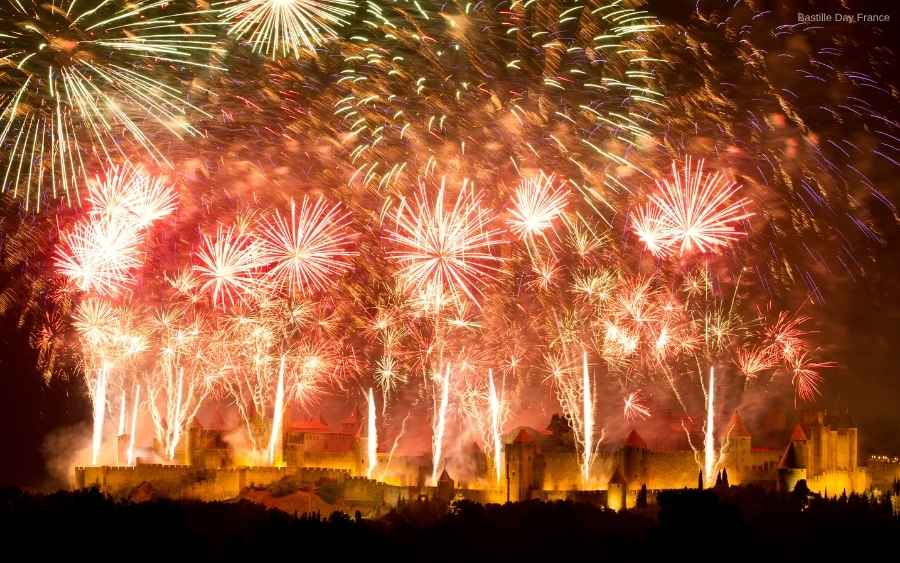
In the south of France, the Embrasement de la Cité (Setting Fire to the City) at Carcassonne is widely considered the most spectacular fireworks display in France after Paris. The illuminated medieval walls of the Cité appear to burn against the night sky in a controlled pyrotechnic illusion that draws hundreds of thousands of spectators each year. It is unforgettable.
Avignon: Fireworks Over the Palace of the Popes
- In Provence, Avignon stages a beautiful fireworks display over the Rhône River, with the floodlit Palais des Papes (Palace of the Popes) as the backdrop. The famous Festival d’Avignon is in full swing in mid-July, so the city is alive with street theater, music, and outdoor performances. Bastille Day in Avignon is layered with culture in a way few other places can match.
Nice and the French Riviera
On the Côte d’Azur, Nice launches fireworks from the Baie des Anges that reflect off the Mediterranean — best watched from the Promenade des Anglais with an ice cream in hand. The atmosphere is warm, casual, and unmistakably southern. Smaller Riviera towns — Antibes, Villefranche, Menton — each stage their own quieter, lovely celebrations.
Village Bals Populaires
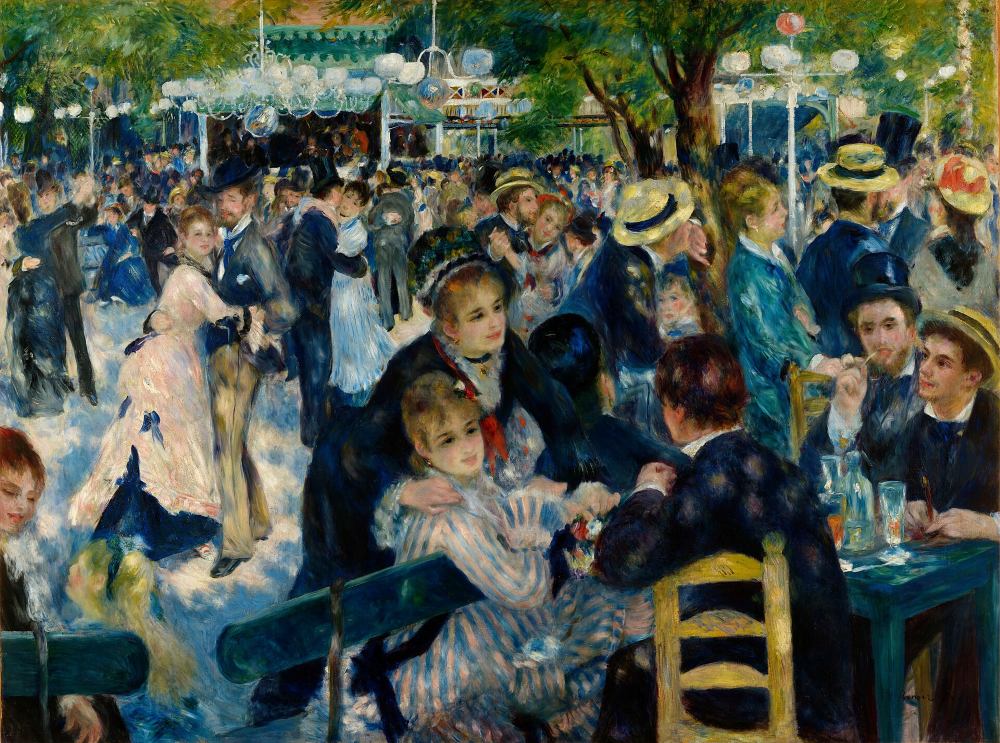
And then there is what I love most: the village bal populaire (popular dance). A tradition reaching back to the Middle Ages and recorded in paintings and photos through recent years. You may recognize Auguste Renoir’s famous depiction of a bal populaire in Montmartre (above – bottom left).
Place de la Bastille: The Symbol of Revolution
The original Bastille fortress was demolished stone by stone in the months after its fall in 1789. Where it once stood is now Place de la Bastille — a vast public square at the meeting point of the 4th, 11th, and 12th arrondissements, marked by the soaring Colonne de Juillet (July Column) with its gilded Spirit of Liberty on top.
Today the square is many things at once:
- A historic gathering point for political demonstrations and public expression
- A vibrant nightlife district, especially along Rue de Lappe and Rue de la Roquette
- Home to the Opéra Bastille, France’s largest opera house
- The starting point of the Canal Saint-Martin walk, which winds north through some of the loveliest neighborhoods in Paris
Stand in the middle of the square on July 14 and you can feel it — the layers of history pressing up through the cobblestones. It is worth a visit, especially in the morning before the crowds gather for the parade.
Things to Know Before Celebrating Bastille Day in France
A few practical notes for travelers planning to be in France in mid-July:
- Book well in advance. Hotels in Paris, Carcassonne, Avignon, and the Riviera fill up months ahead for the July 13–15 window. The same is true of restaurants for dinner on July 14.
- Expect heat. Mid-July in France can be warm — sometimes very warm, especially in the south. Pack light layers, comfortable walking shoes, and a refillable water bottle. Paris pharmacies sell handheld electric fans that are worth their weight in gold.
- Public transport will be altered. Many métro and bus lines reroute or close stations near the parade and fireworks. Check the RATP app the day before.
- Arrive early for fireworks. If you want a spot on the Champ de Mars, plan to be in place by 6 p.m. with a picnic. Trocadéro now requires advance reservation in most years — confirm before you go.
- Most events are free. The parade, the fireworks, the firefighters’ balls (small donation), the village dances — all of it is open to anyone who shows up.
- Crowds are real, but kind. Paris on July 14 is not the impatient, elbow-throwing crowd of New Year’s Times Square. It is families with picnic blankets, couples, friends. Bring patience and a smile.
- Pickpockets are also real. Wherever there are crowds, there are pickpockets. Keep your phone and wallet in a front pocket or a zipped bag.
The France we love
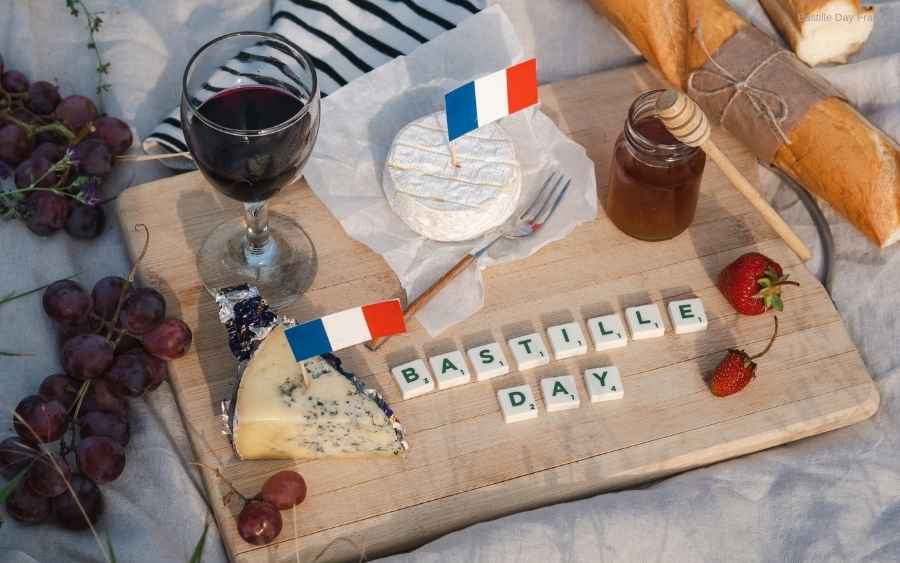
In Provence, in Burgundy, in the Loire, in the Dordogne — wherever you find yourself on the night of July 14 — there will be a village square with strings of lights, an accordion or a small band, long tables of grilled lamb and rosé, and a fireworks display launched from a hilltop nearby that you can watch with the locals, who will ask where you are from and pour you another glass.
That is the France we love. That is the France we want our travelers to experience.
Ready to Visit?
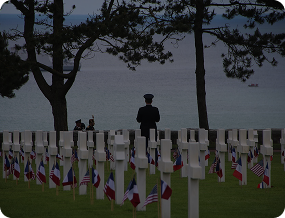
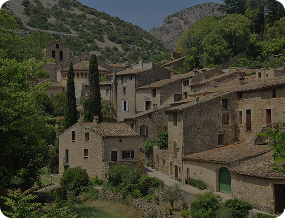
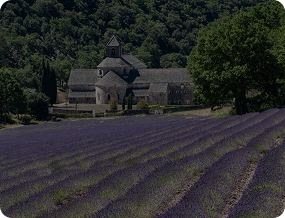
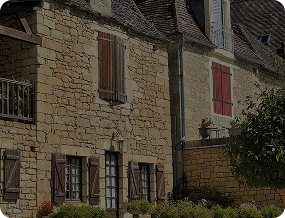
We organize small-group tours of Normandy, the South of France, and the Southwest Region (Bordeaux & Dordogne). If you don’t want to spend days researching, drafting schedules and making reservations, we at TripUSAFrance would be delighted to have you join one of our one week small-group tours.
We’d be happy to answer any questions you have about the tour – send us a message!
À bientôt! I’ll meet you on the village square.
Keep Reading About France
- 10 Essential Tips for a Smooth Vacation in France — Practical wisdom for first-time visitors.
The True Meaning of Provence: Beyond Borders, A Way of Life — Lavender, light, and the soul of the South
Vin des Sables & Vin Gris: The Unique Wines of Camargue — Try new flavors in the South of France
15 Things to Do in Southern France — From village markets to hilltop villages