

Bonjour mes amis! Each summer, something remarkable happens in France: the whole country seems to exhale, pack the car, and head for the sea. If you have ever wondered why there are fewer crowds in Paris in August, or why the autoroute south crawls bumper to bumper on the last weekend of July, the answer is wonderfully simple. This is les grandes vacances — the great summer holiday — and the French take it very seriously indeed.
School lets out in early July (la sortie des classes) and does not resume until la rentrée in early September, giving children nearly two months of freedom. Families pour out of the cities toward the coastlines — the Mediterranean beaches of the Midi, the wild Atlantic surf of the Landes, the rocky coves of Bretagne — and into the cool green countryside and mountains. Grandparents’ houses fill up, campsites hum, and village markets swell. To keep young minds sharp through the long break, French parents reach for a beloved institution: the cahier de vacances (holiday workbook), a grade-by-grade book of puzzles and exercises that children are gently nudged to do a page of each morning — before the beach, of course.
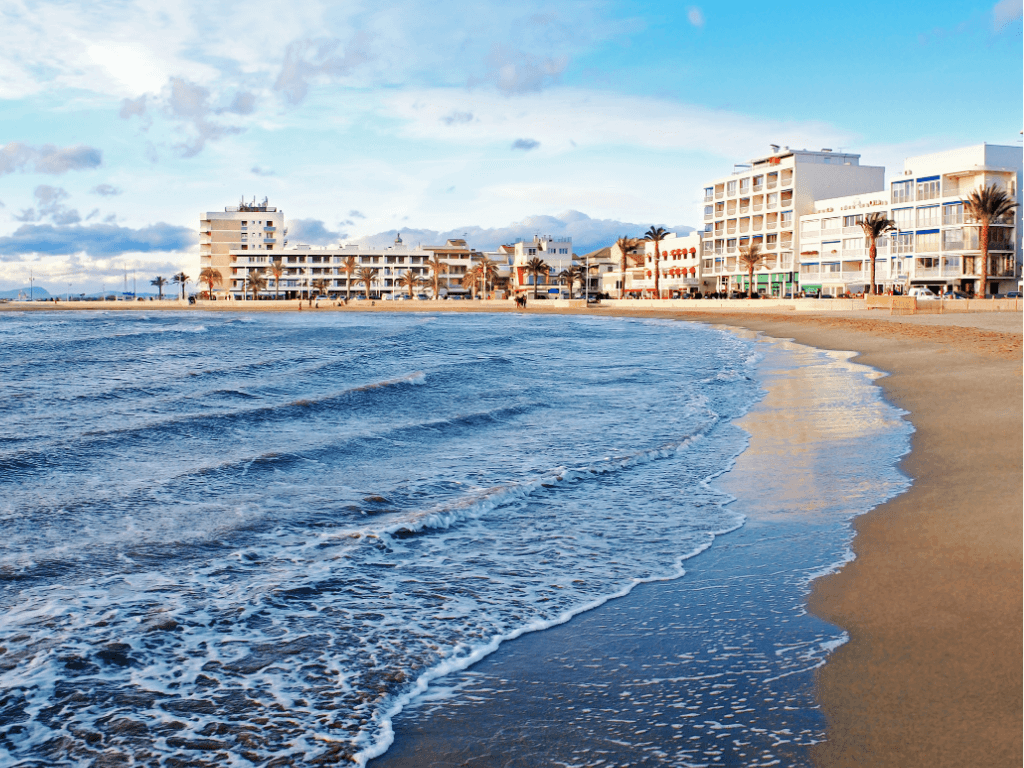
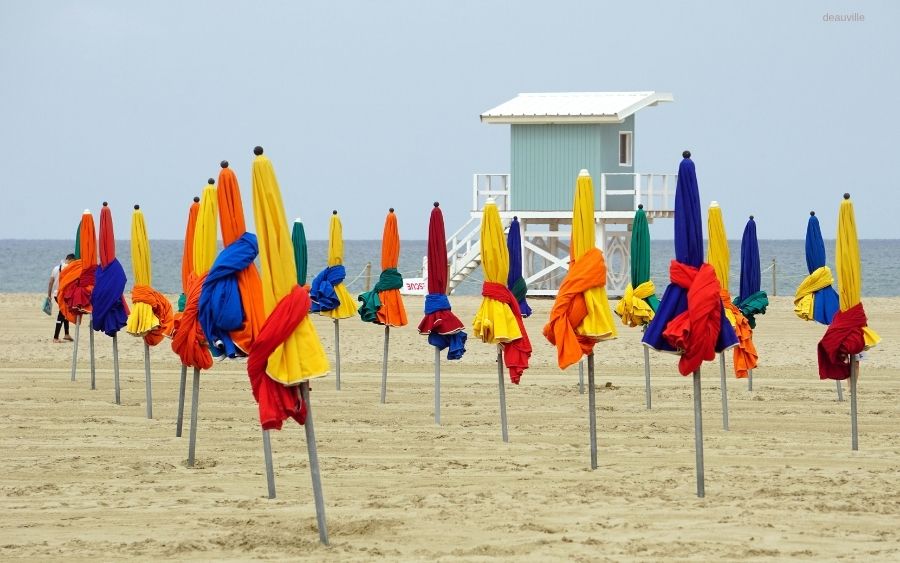
Then comes August. One of the country’s proudest traditions: the average French worker enjoys five weeks of paid vacation by law, on top of public holidays — so taking the whole of August off is not an indulgence but a national rhythm (especially if you are a government employee). But don’t believe the rumor that France is closed in August! Most of the restaurants, cafés, and all the museums and tourist attractions remain open. In many places, you’ll just have fewer crowds, making it a great time to visit.
Not everyone leaves, of course — and for those who stay, the city brings the seaside to them. Since 2002, throughout July and August, Paris transforms the banks of the Seine into Paris Plages (Paris Beaches): real sand, deckchairs, parasols, palm trees, pétanque courts, open-air concerts, and — thanks to the great clean-up of the river for the 2024 Olympics — supervised swimming in the Seine itself. It is entirely free and a joy for families. A happy note for American visitors: the 2026 edition (4 July–30 August) shines its spotlight on the United States, honoring the 250th anniversary of American Independence.
And here is where Americans and the French part ways. Where we might fly across a continent, the French drive — loading the car and pointing it south. To help them, the country runs a charming national service called Bison Futé (“clever bison”), which forecasts traffic days in soothing colors: green for clear roads, then orange, red, and the dreaded noir (black) for days best spent at home. The drive itself is half the pleasure, because French autoroutes are a revelation to American travelers — well-kept toll motorways whose aires (rest stops) put ours to shame: shaded picnic groves, playgrounds, regional food, even open-air sculpture and striking architecture. A long drive in France feels less like a chore and more like part of the holiday.
A Word on the Summer Heat
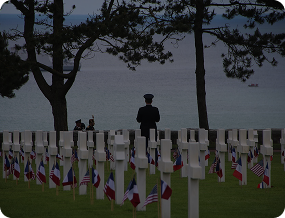
There is one truth every traveler should know: French summers have grown hot, and the canicule (heat wave) now arrives most years. This is precisely why, at TripUSAFrance, we pause our tours in the South during the peak of summer. Only our Normandy journeys continue straight through — and happily so, because in the green, breezy north, July and August are among the loveliest months of the entire year. The light stretches long into the evening, the gardens are in full bloom, the coast turns golden, and the D-Day beaches are at their most moving under a soft summer sky.
All of our tour hotels have air-conditioning. When planning travel on your own (or booking stays before or after our tours), especially in Paris, we highly recommend confirming that your hotel has air-conditioning, as it is still not a universal amenity in French hotels.
A Summer of Festivals
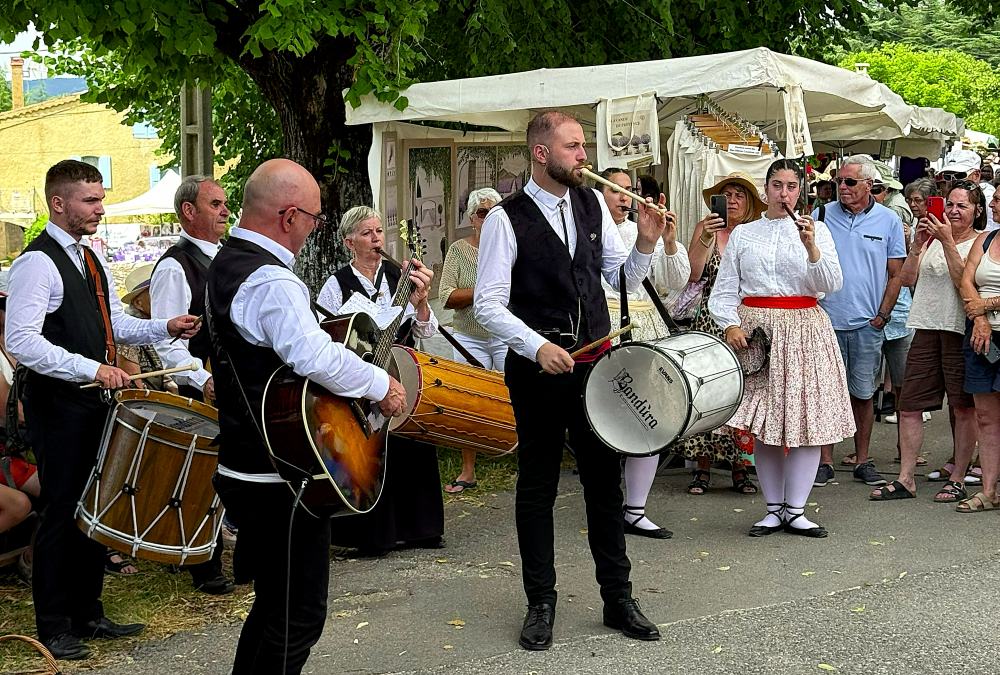
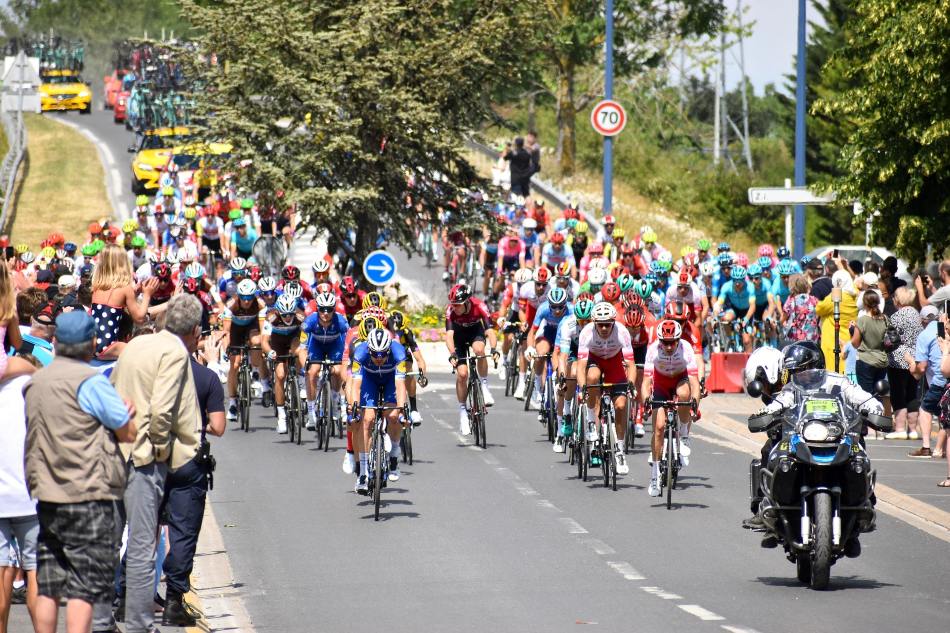
Wherever you find yourself in France this July, a celebration is never far away. A few of the season’s very best:
Festival d’Avignon (4–25 July 2026). For three weeks each July, the medieval city of Avignon becomes the theatre capital of the world. The 2026 edition is the landmark 80th, with hundreds of performances staged in the floodlit courtyard of the Palais des Papes and across the city in the freewheeling Festival Off.
The Tour de France (4–26 July 2026). The world’s greatest bicycle race rolls across the country every July — this year starting in Barcelona and finishing, as ever, in Paris. The route even threads through Carcassonne on its way over the Pyrénées. Find a spot along the road, bring a picnic, and join the roadside crowds for one of the great free spectacles in all of sport.
Festival de Carcassonne (late June–31 July 2026). Inside the ramparts of Europe’s greatest medieval fortress, the open-air Théâtre Jean-Deschamps hosts a summer-long program of concerts, opera, and theatre beneath two-thousand-year-old walls and the Languedoc stars.
Jazz à Sète (15–21 July 2026). Just along the coast from Le Grau-du-Roi, where our South of France Tour makes its home, the seaside town of Sète stages a week of world-class jazz at the Théâtre de la Mer — an open-air amphitheater facing straight out to the Mediterranean.
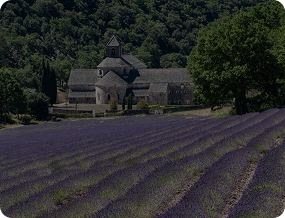
Lavender Festivals in Provence (July–August). Summer is lavender season, and the Provençal villages celebrate it with fragrant fêtes among the purple fields. The two best loved are the Fête de la Lavande in Valensole (the third Sunday of July) and the traditional lavender festival in Sault (held each year on 15 August) — with harvest demonstrations, distillation displays, local markets, and plenty of lavender ice cream.
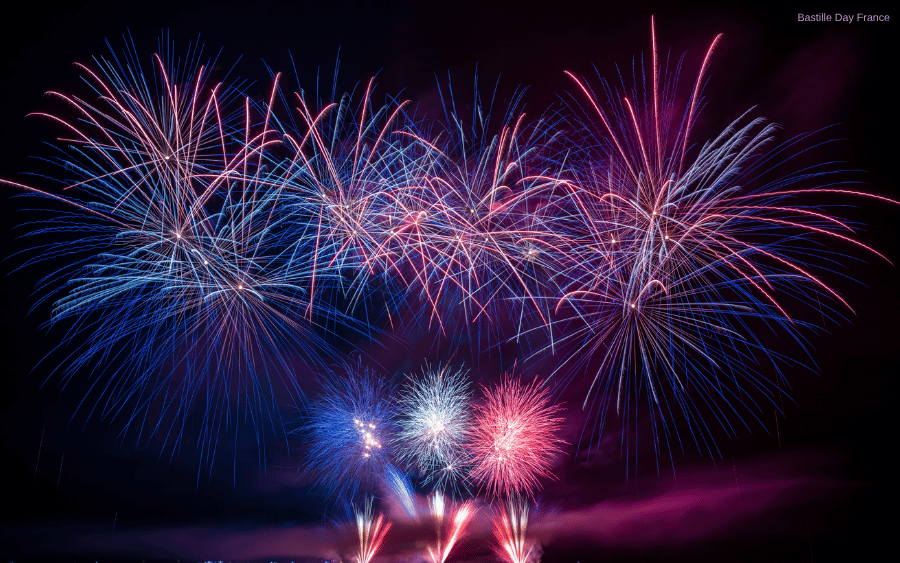
Bastille Day (14 July). And of course le Quatorze Juillet, France’s national day, fills every town and village with fireworks, firefighters’ balls (bals des pompiers), and parades — from the grand procession down the Champs-Élysées to the smallest square dance in Provence.
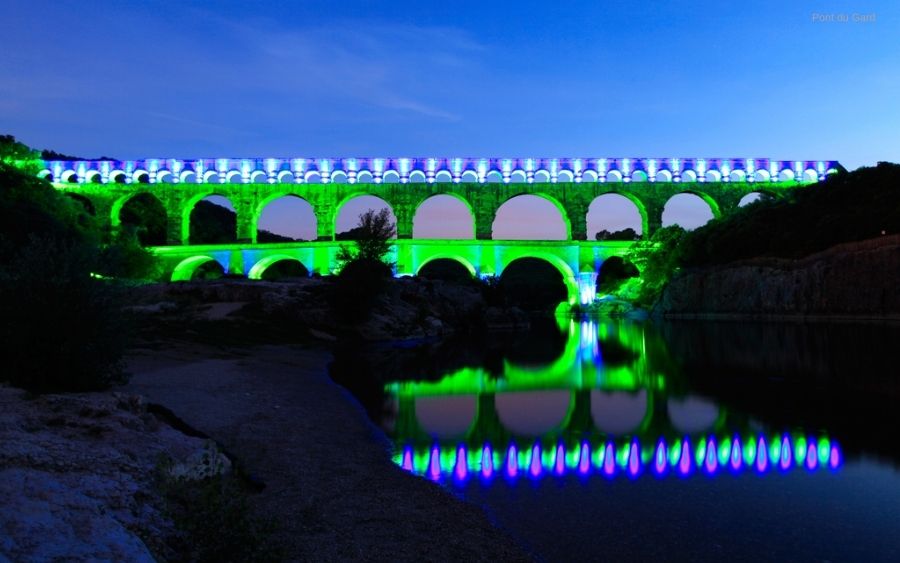
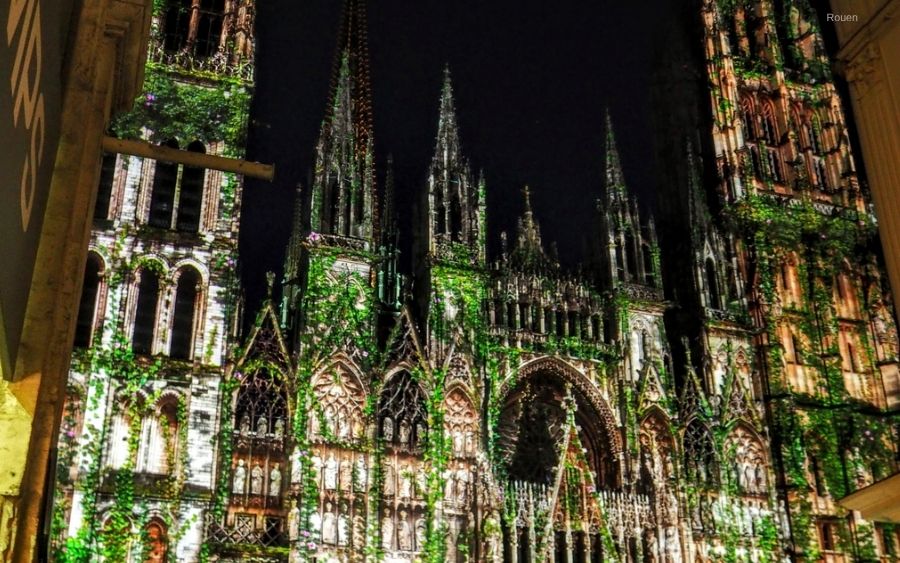
Sound & Light Shows (throughout France, July-August). And when the sun finally sets, the spectacle is far from over. All summer long, towns across France stage son et lumière (sound and light) shows — sweeping projections of light, music, and narration cast over the floodlit façades of cathedrals, châteaux, and ancient ruins, telling the story of each place after dark. It is a wholly French invention: the very first was staged at the Château de Chambord in the Loire Valley in 1952, and the tradition has glowed on every summer since — from the great Loire châteaux to Versailles, from the Rouen Cathedral to the walls of Carcassonne.
Special Event 2026: Celebrating America’s 250th in France
France is celebrating America’s 250th birthday in a big way with America250 France—a year-long series of exhibitions, concerts, historical tours, lectures, and special events honoring the extraordinary alliance that helped win American independence. In Paris, visitors can explore an exhibition at the Musée Carnavalet, discover sites connected to Benjamin Franklin and the Marquis de Lafayette, and experience programs that bring the shared history of France and the United States to life.
One of the biggest celebrations takes place at the Palace of Versailles, where an “American Season” features Revolutionary War reenactments, family activities, special exhibitions, concerts, and spectacular July 4 festivities, including the famous Night Fountains Show. Whether you’re planning a visit or following the celebrations from home, France’s America250 events offer a memorable way to celebrate 250 years of friendship and history.
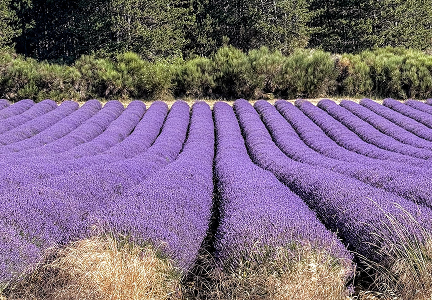

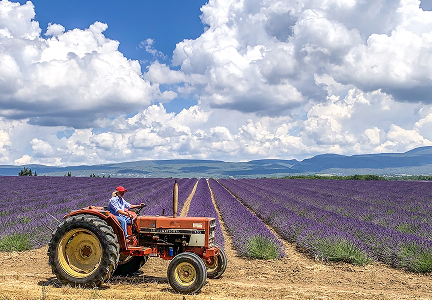
Provençal lavender
A note close to our hearts: Provençal lavender is so spectacular — and its bloom so fleeting — that we devote one special departure to it each year (note: 2027 may have two departures as demand has been so high). Our Special Lavender Tour runs in late June, timed to catch the fields of Valensole and the Luberon at their peak purple — and to savor Provence before the high-summer heat sets in. Across eight days based in seaside Le Grau-du-Roi and the ochre village of Roussillon, we wander the lavender rows at Valensole and Sénanque Abbey, distill our own bottle of essential oil in a hands-on workshop, join a summer truffle hunt followed by dinner, taste at an olive-oil farm and two local wineries, learn pétanque before a private dinner at a winemaker’s home, tour the L’Occitane en Provence factory, and meet the flamingos and white horses of the Camargue.
Whether you come to wander Normandy’s gardens and beaches in high summer, or you are dreaming of a southern escape for the gentler months of spring and autumn, we would love to help you experience France the way the French do — unhurried, joyful, and just a little in love with the season.
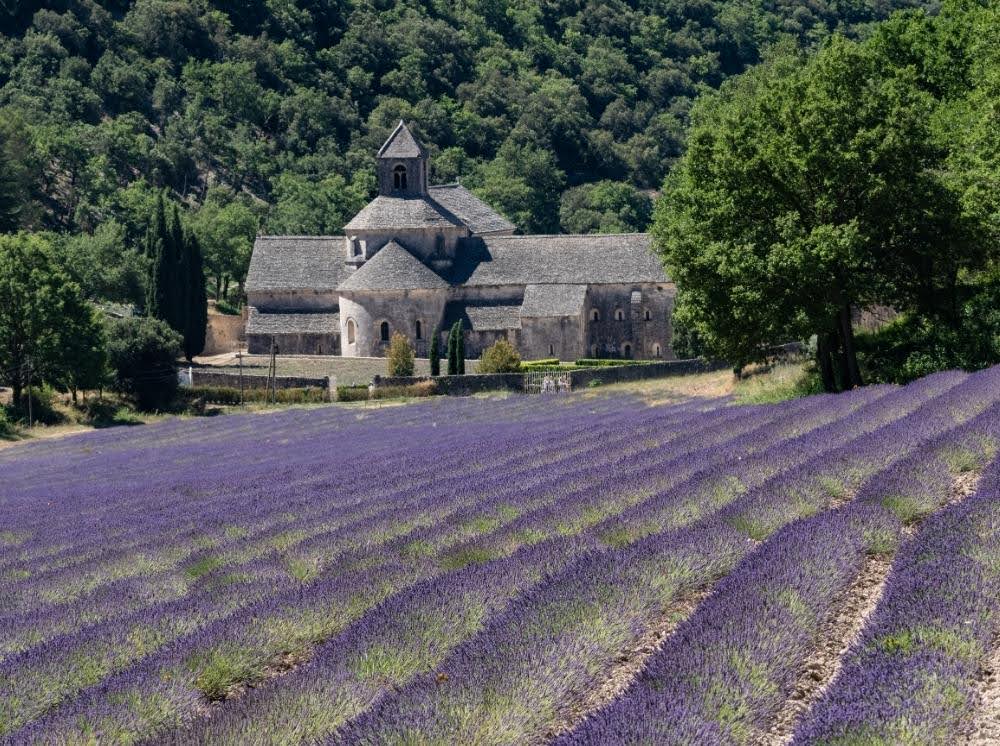
8 Day Special Lavender Tour Provence & Languedoc & Camargue
Ready to Visit?
We organize small-group tours of Normandy, the South of France, and the Southwest Region (Bordeaux & Dordogne). If you don’t want to spend days researching, drafting schedules and making reservations, we at TripUSAFrance would be delighted to have you join one of our one week small-group tours.
We’d be happy to answer any questions you have about the tour – send us a message!
À bientôt!
Keep Reading About France
The True Meaning of Provence: Beyond Borders, A Way of Life — Lavender, light, and the soul of the South
Vin des Sables & Vin Gris: The Unique Wines of Camargue — Try new flavors in the South of France
15 Things to Do in Southern France — From village markets to hilltop villages
10 Essential Tips for a Smooth Vacation in France — Practical wisdom for first-time visitors.