


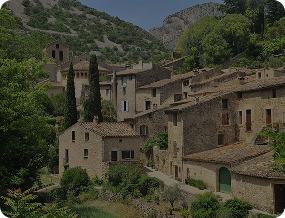

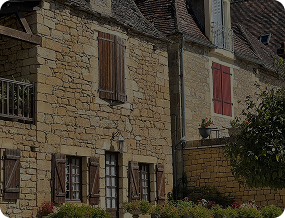
Spending time in the Dordogne? You are closer than you might think to one of France’s great craft cities. Limoges, France’s porcelain capital, sits just northeast of the Périgord. A Limoges day trip is easy to plan, and an overnight stop is even better. As a seller of hand-painted Limoges porcelain, I know the city’s work well. When I visited this past October, I was reminded how few travelers add it to their plans.
Here is what you need to know to make the detour.
Guest post
This article was written by Mira Lash, owner of Limoges Boutique. We are delighted to share her insider guide to the city.
Getting there from the Dordogne
By car, Limoges is about an hour from Brive-la-Gaillarde and about 1.5 hours from Périgueux. From Sarlat, however, allow about two hours. Regional trains (TER) also run direct from Périgueux and Brive in an hour.
From Bordeaux, the drive is about 3 hours, with direct regional (TER) trains getting you there in about 2.5 hours.
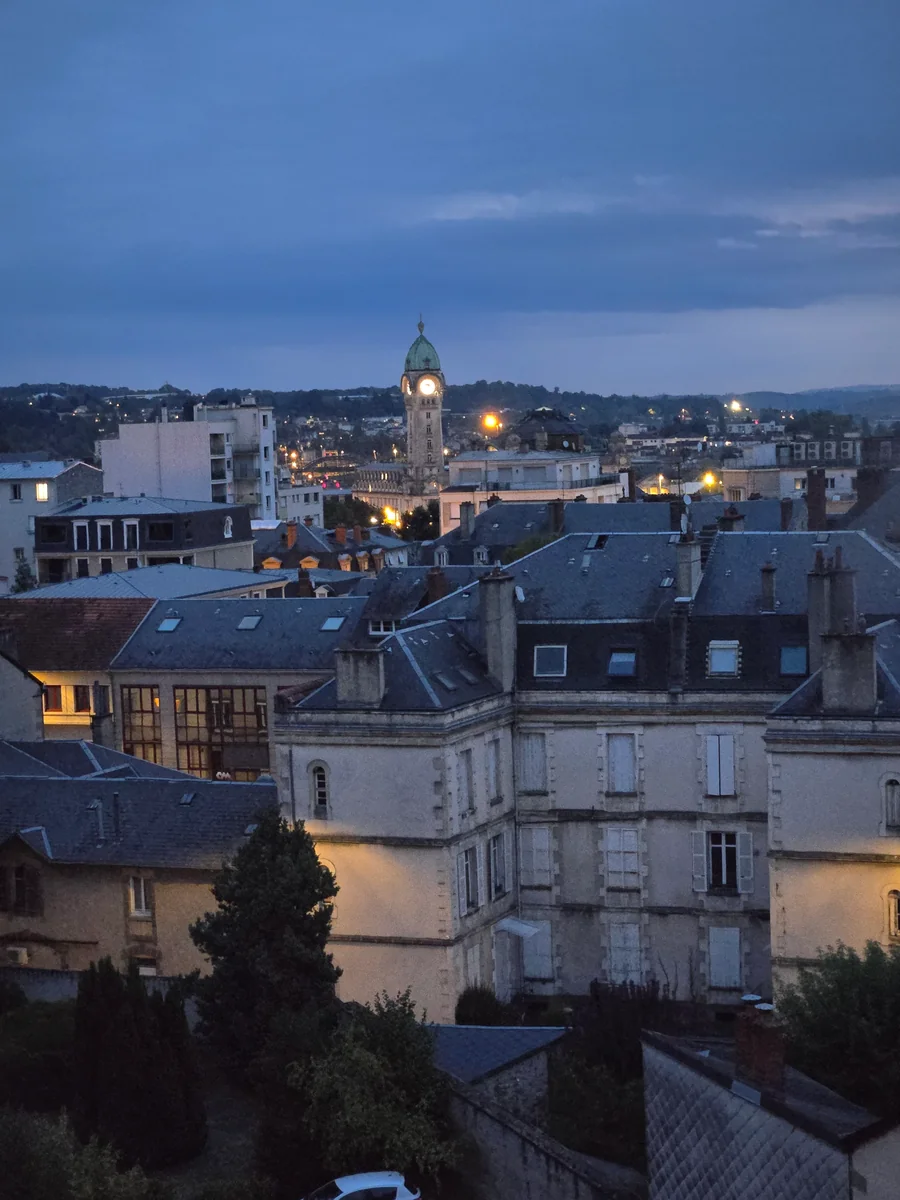
You arrive at the Gare des Bénédictins, one of the most beautiful railway stations in France. Its tall clock tower and copper dome are hard to miss. Check train times and fares on SNCF Connect.
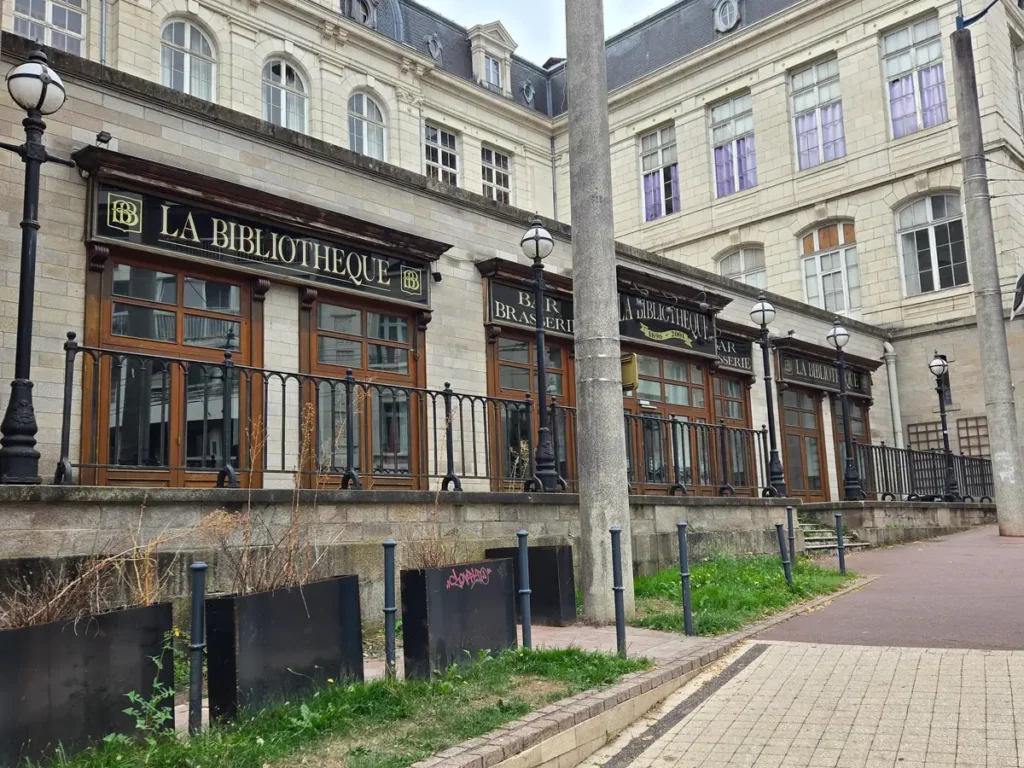
If you drive, there is paid parking across from the porcelain museum and in several underground garages in the center. The historic center is compact and easy to explore on foot. Wear comfortable shoes, though, since some of the old streets are cobbled and gently hilly.
How much time to allow for your Limoges day trip
A Limoges day trip gives you enough time to see the porcelain museum, the old kiln and the historic center without rushing. If you can, stay one night. Limoges is lovely in the evening, when the station tower is lit and the cafés fill up. Staying over also lets you visit the museum in the morning, when it is quietest.
Why porcelain, and why here?
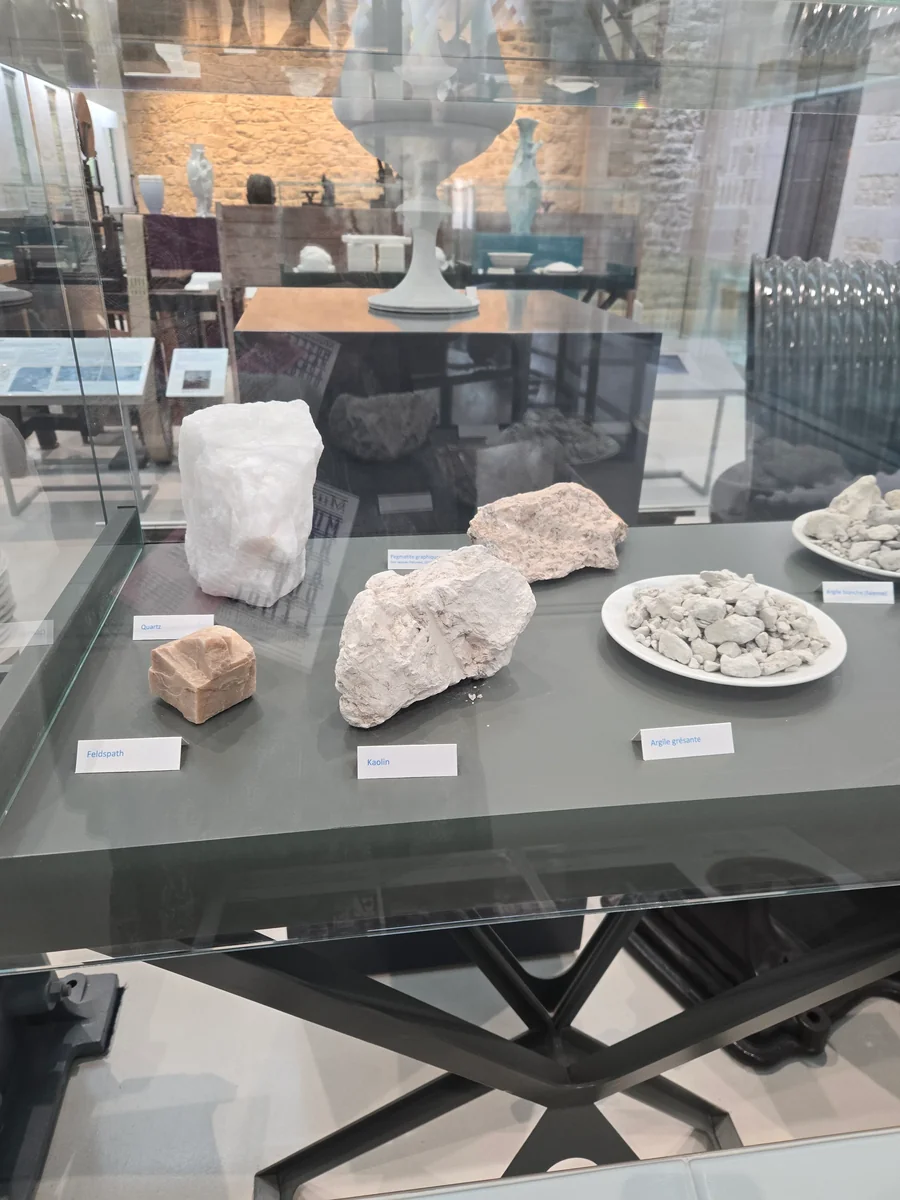
In 1768, deposits of kaolin were found at Saint-Yrieix-la-Perche, south of Limoges. This pure white clay is, in fact, the key ingredient in true hard-paste porcelain. As a result, within a few years the city was firing its own porcelain. By the 19th century, it had dozens of factories and decorating studios. Many American families came to know the name through the Haviland family, who were Americans themselves. In 1842, New York china importer David Haviland settled in Limoges and began shipping its porcelain home. Indeed, much of the “good china” in American dining rooms came from here.
What to see on a Limoges day trip
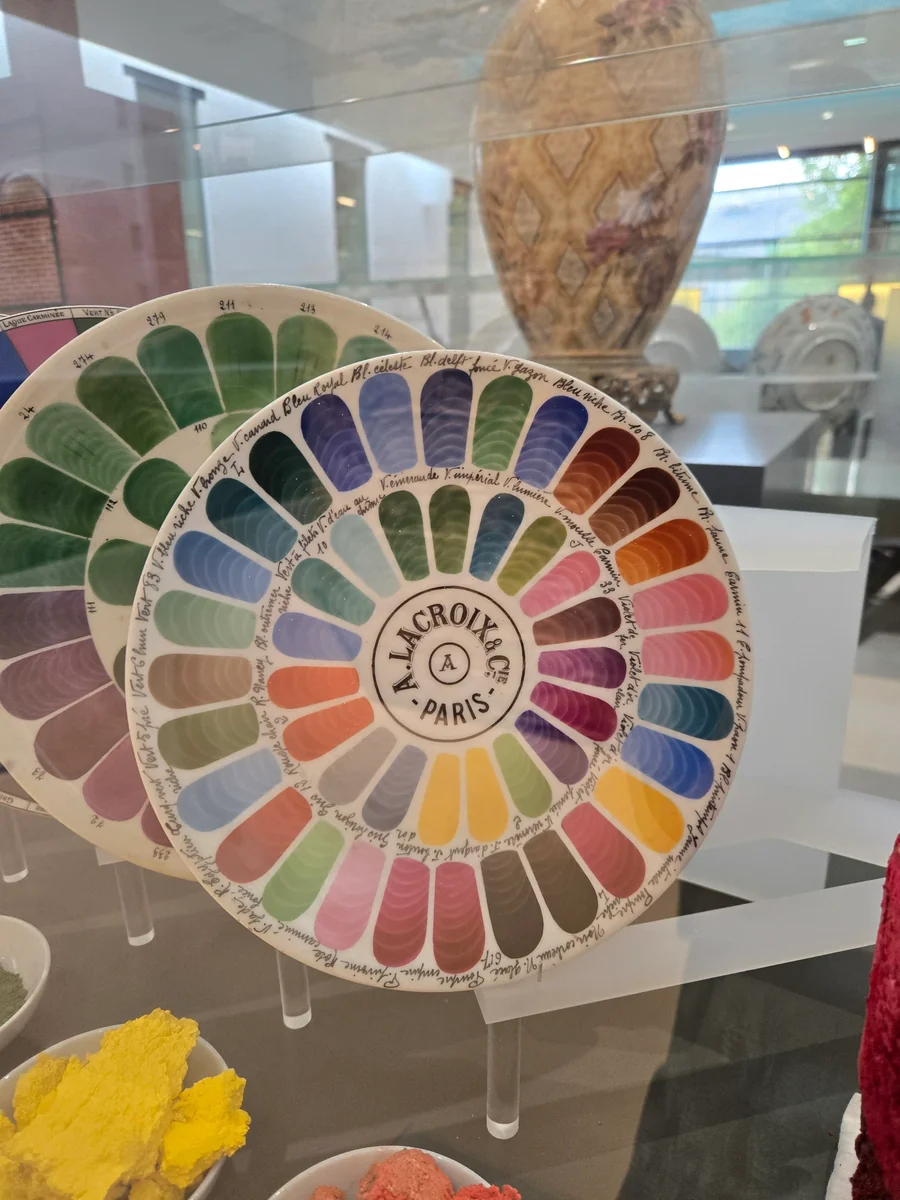
Musée national Adrien Dubouché. This national museum holds the largest public collection of Limoges porcelain in the world, from 18th-century pieces to contemporary design. Above all, don’t miss the displays on how porcelain is made. Look for the raw kaolin, quartz and feldspar, the plaster molds, and the painters’ color test plates. Some plates, for example, hold dozens of hand-painted enamel samples. It sits about a mile (1.5 km) from the train station. The museum is closed on Tuesdays and on December 25 and January 1, and it closes for lunch. Check current hours and prices on the museum’s website.
Musée du Four des Casseaux. This giant bottle-shaped brick kiln is a listed historic monument. Built in 1902, it fired porcelain until 1957. In short, it is the best place to understand the heat, labor and skill behind every piece. The kiln is also a short walk from the train station. Opening days vary by season, so check the Four des Casseaux website before you go.
The historic center. Walk the medieval Quartier de la Boucherie (Butchers’ Quarter) with its half-timbered houses. Then step into the Cathédrale Saint-Étienne and browse the covered market at Les Halles. Afterward, browse the porcelain and enamel shops scattered throughout the center. Limoges is also known for its émaux, enamel on copper, another fire art with a long local history.
In December. If your trip falls in December, the city’s Christmas market adds lights, stalls and plenty of vin chaud. For dates and events, see the Limoges tourist office.
A little taste of the Limousin
The region around Limoges is famous for its Limousin beef. Clafoutis, the baked cherry dessert, comes from the Limousin too, as does the hearty pâté de pommes de terre, a potato pie in flaky pastry.
For a casual local lunch, head to Les Halles centrales, the city’s covered market on Place de la Motte. Two architects who worked with Gustave Eiffel built the hall between 1885 and 1889. You can still see his influence in the iron frame. Look up at the facade, where a frieze of porcelain tiles shows the foods sold inside. Locals come here to shop, and the restaurant counters serve a simple, hearty lunch. A long lunch is part of the visit.
How to spot genuine Limoges
If you would like to bring a piece home, a few quick checks help you buy with confidence:
- Turn it over. Genuine French pieces are marked “Limoges France,” with a maker’s or decorator’s mark. On hinged boxes you will also often see “Peint Main” (hand-painted).
- Look at the painting. Real brushwork shows slight variations in line and color from one piece to the next. A printed decal, by contrast, looks flatter and more uniform.
- Check the hinge. On a good hinged box, the metal is neatly fitted, and the lid closes evenly with a gentle click.
- Be wary of “Limoges” alone. Pieces marked only “Limoges,” with no “France,” or carrying just a sticker, are often not French at all. Some, for instance, were made in Ohio, by the Limoges China Company of Sebring.
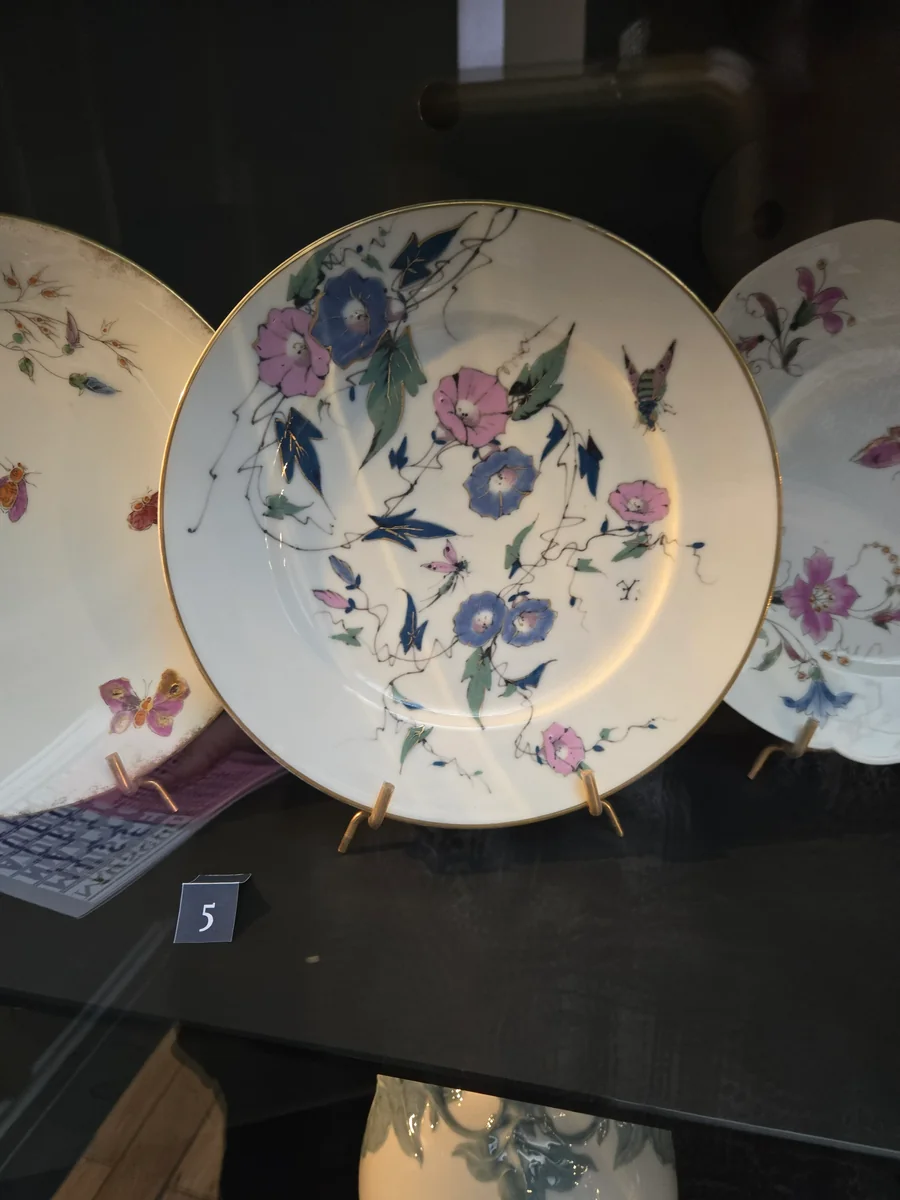
For more detail, I keep a free guide to Limoges marks with photos of genuine marks.
A quiet second stop: Oradour-sur-Glane
If your Limoges day trip has room for a second stop, Oradour-sur-Glane lies about 25 minutes northwest of the city. On June 10, 1944, an SS unit killed 643 of the village’s men, women and children. The ruins have been preserved as a memorial ever since, and the Centre de la mémoire at the entrance tells their story. It is a sobering, deeply moving visit, so give it time.
Whether you make a Limoges day trip or stay the night, the city rewards travelers who slow down. Its museum, kiln and medieval lanes make a lovely counterpoint to the castles and caves of the Dordogne. You will never look at a porcelain plate the same way again.
From TripUSAFrance: Prefer to leave the driving to someone else? Our 8-Day Bordeaux & Dordogne Tour, with nights in Bordeaux and Sarlat, explores the region with local guides. In addition, groups never exceed 16 travelers. Limoges is a 2.5-hour direct train ride from Bordeaux; it’s a great pre- or post-tour activity.
See all our small-group tours of France.
Mira Lash is the owner of Limoges Boutique, a woman-owned business in Palm Bay, Florida, that has brought hand-painted Limoges porcelain from France to American collectors for more than 25 years.
Keep Reading
Dordogne (Périgord) Map & Guide: Must-See, Food & Travel Tips
Remarkable Prehistoric Art of The Dordogne: Lascaux and Beyond
Sarlat-la-Canéda, one of the most beautiful villages of France
Saint-Émilion: The Stunning Medieval Wine Village Carved in Rock
Fall in Love With Bordeaux: A Guide to One of the Most Elegant Cities in France