Provence, nestled in southeastern France, stands as one of the world’s most enchanting destinations, captivating travelers with its rich history, diverse landscapes, and vibrant culture. From the sun-kissed shores of the Mediterranean to the fragrant lavender fields and picturesque hilltop villages, Provence offers an idyllic escape that embodies the essence of French charm.
In this blog, we’ll explore the meaning of Provence, take a closer look at its borders, and highlight traditions and lifestyles that continue to captivate travelers from around the world.
Etymology of “Provence”
The name “Provence” originates from the Latin term “Provincia,” signifying a province. This designation dates back to the Roman era when the area was known as Provincia Romana, highlighting its status as one of Rome’s first provinces beyond the Alps. Over time, “Provincia” evolved into “Provence” in French, reflecting the region’s enduring Roman heritage.
Historical Evolution
- Greek and Roman Periods: Around 600 BC, Greek settlers from Phocaea established the colony of Massalia, now known as Marseille, introducing wine and olive cultivation. By the 2nd century BC, the Romans had conquered the region, integrating it into the Roman Empire as a “Provincia Romana.”
- Medieval Era: After the fall of the Roman Empire, Provence saw waves of new rulers. First came the Visigoths and Ostrogoths, Germanic tribes who had migrated across Europe as the empire crumbled. Later, the region was taken over by the Franks, a more organized kingdom that would eventually lay the groundwork for modern-day France. The region gained prominence in the 12th and 13th centuries through the troubadour tradition, which significantly influenced Western poetry and music.
- Integration into France: In 1481, after the death of King René, who was not only the ruler of Provence but also held titles such as King of Naples, Provence was bequeathed to the French crown, officially becoming part of France in 1486. Despite this integration, Provence retained a distinct cultural identity, with unique customs and traditions.
Geographical Significance
Provence is part of the Provence-Alpes-Côte d’Azur (PACA) administrative region in southeastern France, bordered by the Mediterranean Sea to the south, the Rhône River to the west, the Italian border to the east, and the Alps to the north.
Yet, the true definition of Provence is not so easily pinned down, as it varies depending on historical periods, political perspectives, and cultural viewpoints.
Some interpretations extend to areas like the Gard, home to the Roman masterpiece Pont du Gard, or the Drôme Provençale, known for its lavender fields and perched villages.
Other areas such as the French Riviera (including Nice) are more debatable. Many locals there do not consider themselves Provençal, even though products like Niçois wines are often marketed under the Provence label.
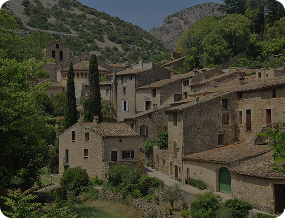
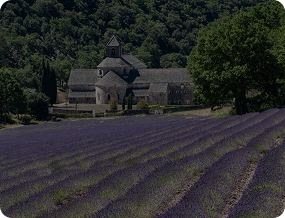
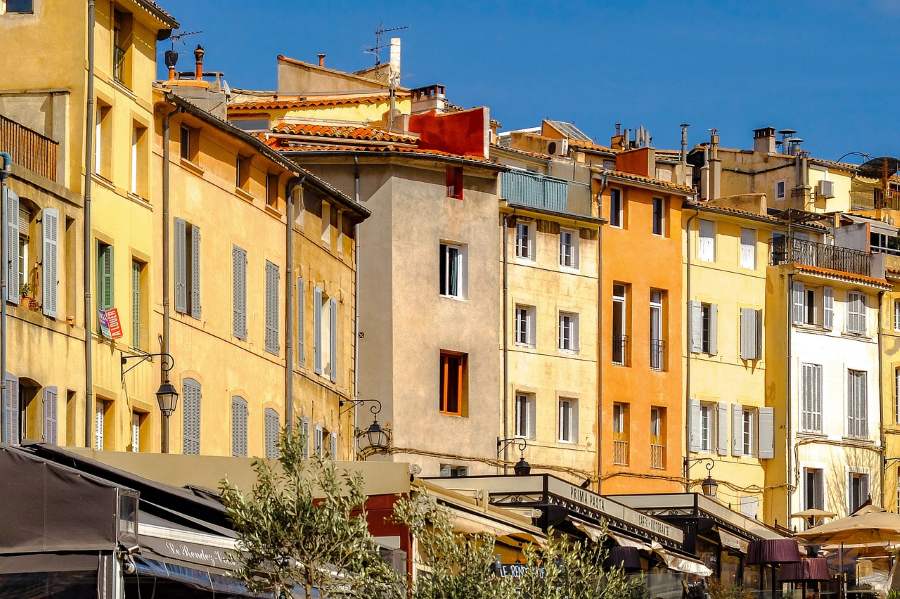
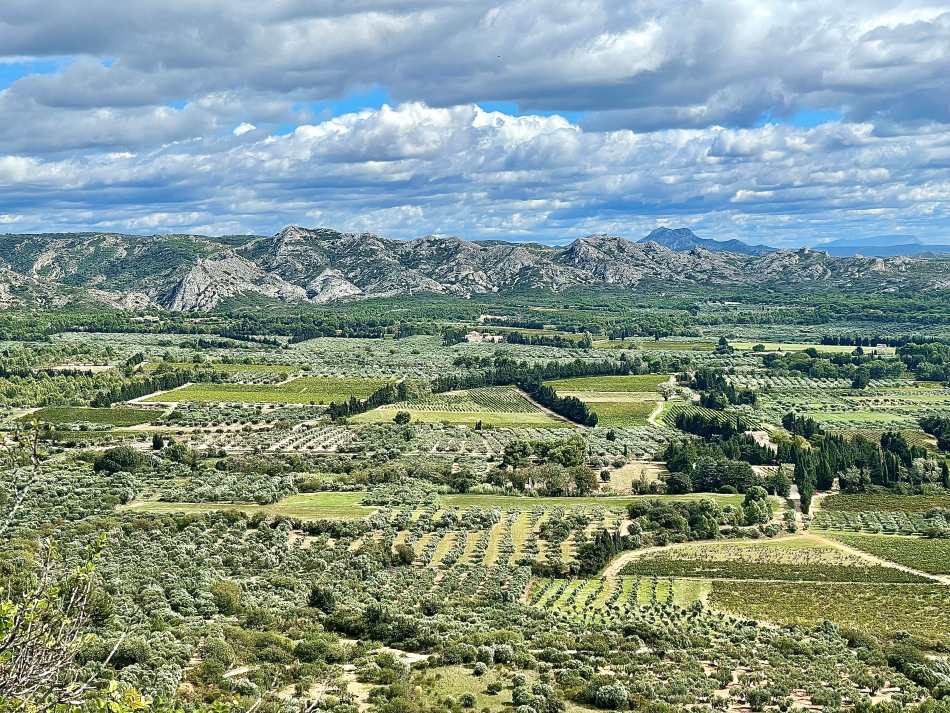
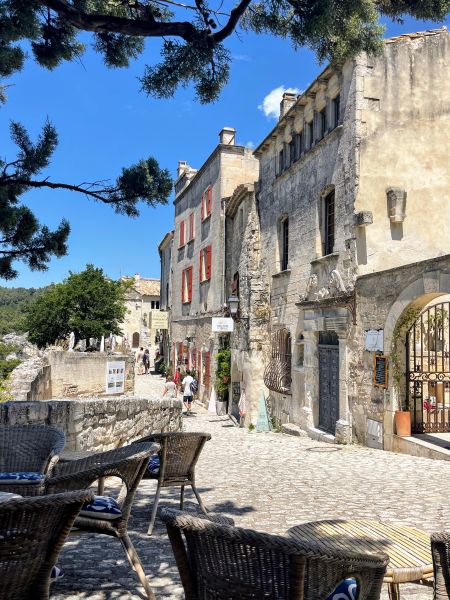
The heart of Provence, as most would describe it, lies in the four departments of Bouches-du-Rhône, Var, Vaucluse, and Alpes-de-Haute-Provence where the landscapes, traditions, and soul of the region are most deeply rooted. Here you’ll find vibrant cities like Marseille, Aix-en-Provence, and Avignon; storybook villages like Les Baux-de-Provence, Gordes, and Roussillon; and breathtaking natural settings, from the limestone peaks of the Alpilles range and valleys draped in olive groves and vineyards, to the wild beauty of the Camargue with its white horses, black bulls, and pink flamingoes. Add to that the turquoise coves of the Calanques and the fragrant, purple fields of Valensole, and you begin to understand why Provence captures so many hearts. At TripUSAFrance, this is the definition we embrace.
This fluidity in borders reveals how Provence is not just a place on the map, but a deeply felt cultural identity.

Cultural Identity
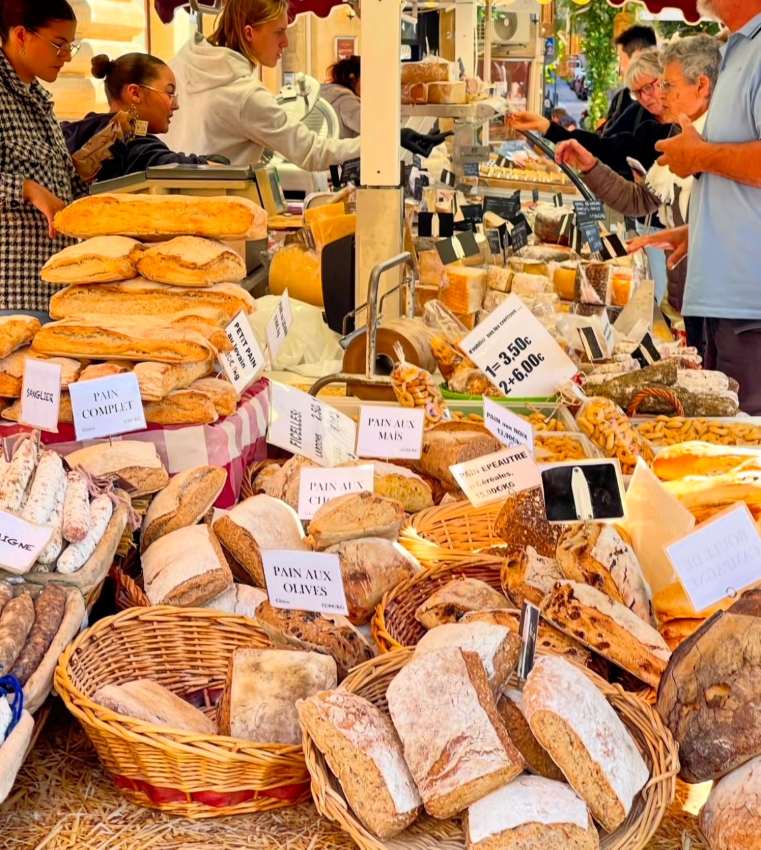
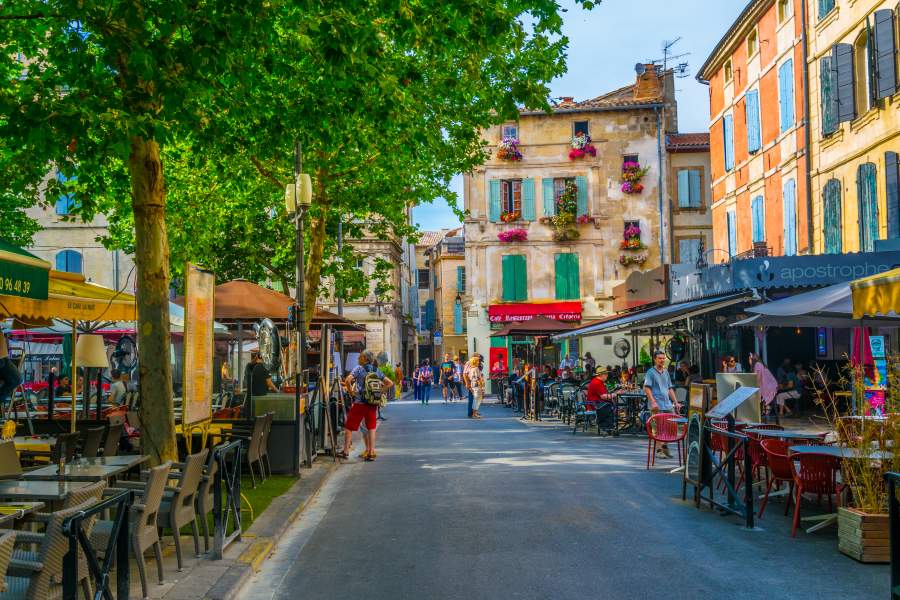
Part of understanding the meaning of Provence is appreciating its way of life. Life in Provence flows at a gentler rhythm, deeply connected to nature and community. Mornings often begin at the village market, where locals pick up sun-ripened produce, cheeses, and fresh-baked bread. Afternoons may be spent lounging at a café shaded by plane trees (a type of sycamore) or playing pétanque (French version of Bocce Ball) in the village square while enjoying a glass of Pastis (a local licorice-flavored liqueur). Meals are long social affairs, enjoyed with some local wine and always tied to the seasons.
This way of life is charmingly portrayed in Peter Mayle’s memoir A Year in Provence, which captures the warmth, quirks, and timeless beauty of the region. Whether you’re visiting for a few days or settling in for a year, the Provençal lifestyle has a way of drawing you in — and making you never want to leave.
Language
Historically, the people of Provence spoke Provençal, a dialect of the Occitan language family — also known as Langue d’Oc — which was spoken in all of Southern France. Following the French Revolution in 1789, the French government sought to promote linguistic unity as a means of strengthening national identity. This led to the suppression of regional languages like Provençal in favor of the standardized French coming from Northern France.
As a result, fluency in Provençal has declined, with few speakers remaining. Nevertheless, many Provençals still use Occitan words and expressions in everyday conversation, seeing this linguistic heritage as a proud symbol of being from Provence. Today, people are working to keep Provençal alive through bilingual school programs and local cultural events that celebrate this rich language of southern France.
Traditional Attire
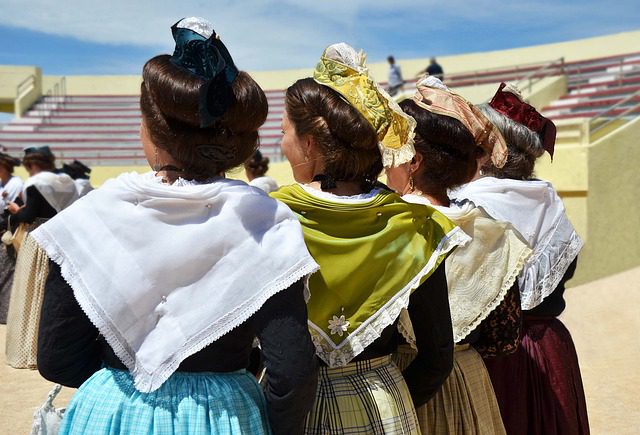
Until the 1950s, it was common to see women in Arles wearing the traditional Arlésienne costume, especially on Sundays. This elegant outfit, known for its unique hairstyle and detailed garments, reflected the region’s deep cultural roots. Vincent van Gogh captured this look in his 1888 painting L’Arlésienne, which features Madame Ginoux, the owner of the Café de la Gare in Arles. As everyday fashion changed, the costume gradually disappeared from daily life. Today, it’s mostly worn during local festivals and events — like the Fête du Costume and the election of the Queen of Arles — keeping this beautiful tradition alive.
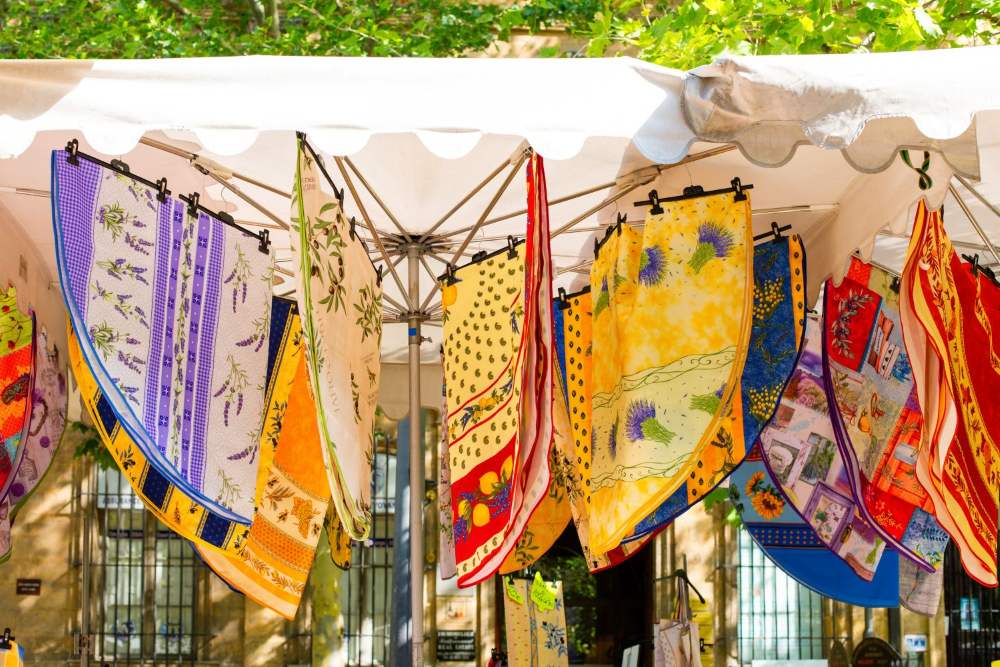
Another key part of Provençal style is the region’s famous printed fabrics, known as Indiennes. These colorful textiles came from India in the 16th century, arriving through the port of Marseille. They became so popular that the French government banned imports in the 17th century to protect local businesses. But by 1660, artisans in Marseille were making their own versions, called indiennes de Marseille. Today, historic brands like Souleiado and Les Indiennes de Nîmes carry on the tradition, creating long flowing dresses, skirts, and shirts decorated with bright floral and geometric patterns — still a beloved part of Provence fashion.
Cuisine
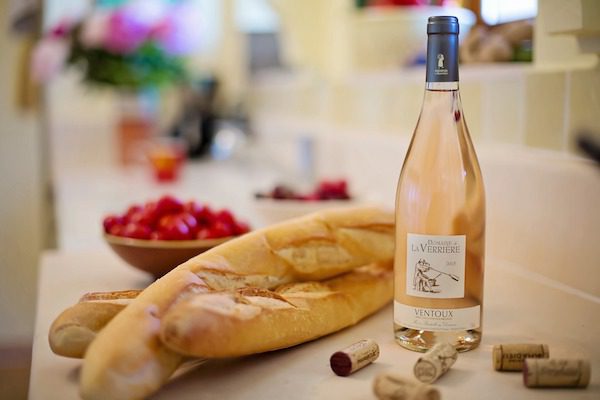
Provençal cuisine reflects the region’s Mediterranean climate and agricultural abundance. Dishes often feature olive oil, garlic, tomatoes, and aromatic herbs like thyme and rosemary. Specialties include ratatouille (a stewed vegetable medley), bouillabaisse (seafood stew), and tapenade (olive spread). The area is also renowned for its wines, particularly rosés from Côtes de Provence, and juicy sweet fruits such as apricots, melons, and figs.
Art and Literature
Provence has long been a muse for artists and writers. Notably, Vincent van Gogh produced many masterpieces during his time in Arles, capturing the luminous Provençal landscapes. Paul Cézanne, born in Aix-en-Provence, drew inspiration from his surroundings, particularly Mont Sainte-Victoire, which he depicted in many of his paintings. Additionally, the 19th-century Félibrige movement, led by poet Frédéric Mistral, sought to preserve Provençal language and culture. Mistral’s dedication was recognized in 1904 when he was awarded the Nobel Prize in Literature.
Festivals and Traditions
Provence is deeply rooted in tradition, and its calendar is filled with festivals that celebrate everything from local produce to religious customs. The Festival d’Avignon, one of the most prestigious performing arts festivals in the world, transforms the city each July into a massive open-air theater. In Sault, the Fête de la Lavande honors the iconic bloom with parades, music, and lavender-themed markets. Rural villages host transhumance festivals, celebrating the seasonal movement of sheep to and from the mountains, while Christmas brings the cherished Provençal tradition of santon figurines — handcrafted clay characters that populate elaborate nativity scenes. These vibrant events keep Provençal heritage alive and offer travelers a joyful, immersive experience.
Crafts and Artisanship
Provence has a proud tradition of artisanal craftsmanship that continues to thrive today. From hand-painted ceramics in Moustiers-Sainte-Marie to natural Marseille soaps, woven baskets, and santons (miniature nativity scene figurines), the region’s markets are a showcase of skill and heritage. These crafts are not only souvenirs but carry stories passed down through generations, connecting visitors with the heart of Provence life.
Economy
Provence’s economy is as diverse as its landscape. While tourism plays a major role — especially in summer — agriculture remains a vital force, with the region being one of France’s top producers of olive oil, wine, and lavender-based products. The Côtes de Provence appellation is world-renowned for its rosé wines, and local olive oil is prized for its robust, peppery flavor. In recent decades, the area has also become a hub for aerospace and technology, particularly around Aix-en-Provence and Marseille, where innovation clusters and research institutions are growing steadily. This blend of tradition and modernity gives Provence a unique economic resilience.
Conclusion
The meaning of “Provence” is more than just a region — it’s a soul-soothing feeling. It’s the scent of lavender drifting through the summer air, the sound of cicadas humming in the heat, and the taste of sun-ripened fruits savored at a village market. With its rich history, proud traditions, and undeniable charm, Provence continues to enchant travelers from around the world.
At TripUSAFrance, we believe the true magic of Provence lies not only in its famous landmarks, but in its everyday beauty — the kind you discover by slowing down and connecting with the locals. We invite you to come experience it with us!