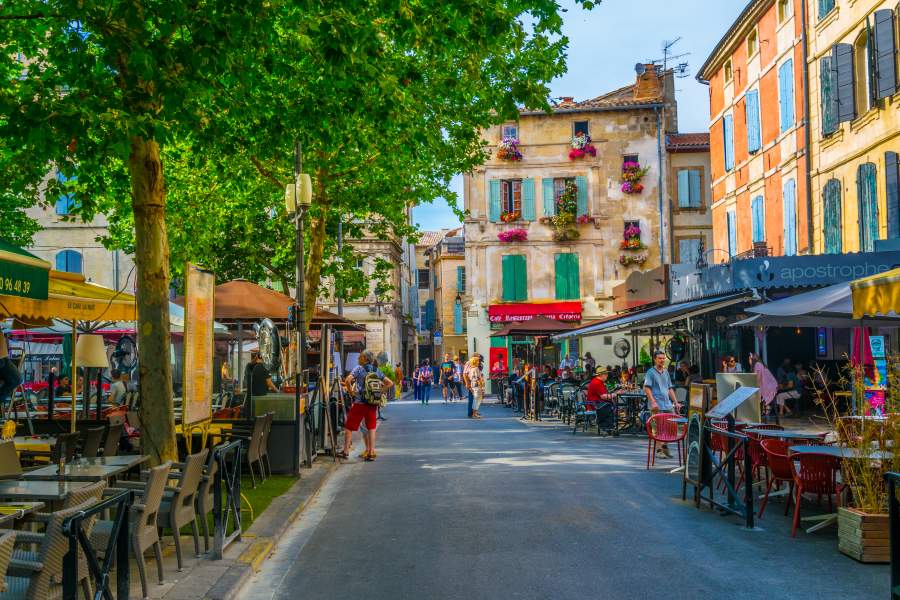
Bonjour mes amis! There is a particular magic to driving the South of France in summer or early autumn, with the windows down, the scent of wild thyme and pine trees drifting in from the hillsides, and a soundtrack of cicadas you didn’t even know was playing. This is the part of my homeland that I love showing visitors most: a sun-drenched ribbon of coast, vineyards, and stone villages that stretches all the way from the Italian border to Spain.
“In the South of France, the road doesn’t take you anywhere — it gives you permission to stop everywhere.”
In this blog, I’ll walk you through the road trip itinerary we love most at TripUSAFrance: two unhurried weeks from Nice to Barcelona, weaving through the Riviera, the heart of Provence, the wilds of the Camargue, the medieval Languedoc, and a final flourish across the Spanish border into Catalonia. Allons-y!
The Meaning of “Le Midi”
You’ll often hear the French refer to the south as Le Midi, which translates literally as “midday” or “noon.” The name evokes the sun at its highest point — a fitting image for a region defined by light, warmth, and a slower, sunnier rhythm of life. Le Midi stretches loosely from the French Riviera in the east, across Provence and the Languedoc, all the way down to the foothills of the Pyrenees.
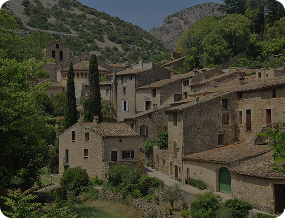
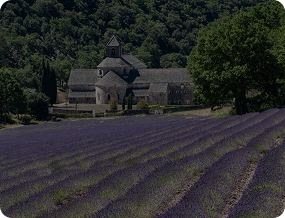
It’s here that sunlight spills across olive groves and vineyards, medieval hilltop villages watch over rolling lavender fields, and winding coastal roads lead to coves of impossibly blue water. Whether you crave haute cuisine or a simple picnic of baguette and goat cheese, designer boutiques or a Provençal market bursting with color, Roman ruins or long seaside swims — the South of France has it all.
When to Go
In our experience, May, June, and September are the most magical months. The weather is warm but never punishing, the schools are still in session so you’ll have the villages mostly to yourself, and the light is the kind of soft gold that drew Cézanne, Van Gogh, and Matisse here in the first place. April and October are lovely too, if you don’t mind cooler mornings and the occasional Mediterranean shower.
July and August? We gently suggest you avoid them if you can. Northern Europeans flood south on summer holiday, prices rise, parking becomes a true sport, and the heat in the inland villages can be intense. If those are the only months that work for you, simply book everything earlier than you think necessary — and embrace the long, lazy lunch as a survival strategy. Bring a hat, take it slow, and remember the French wisdom: on ne se presse pas — we don’t rush.
Don’t want to drive?
Take our South of France small-group tour!
Why Begin in Nice?
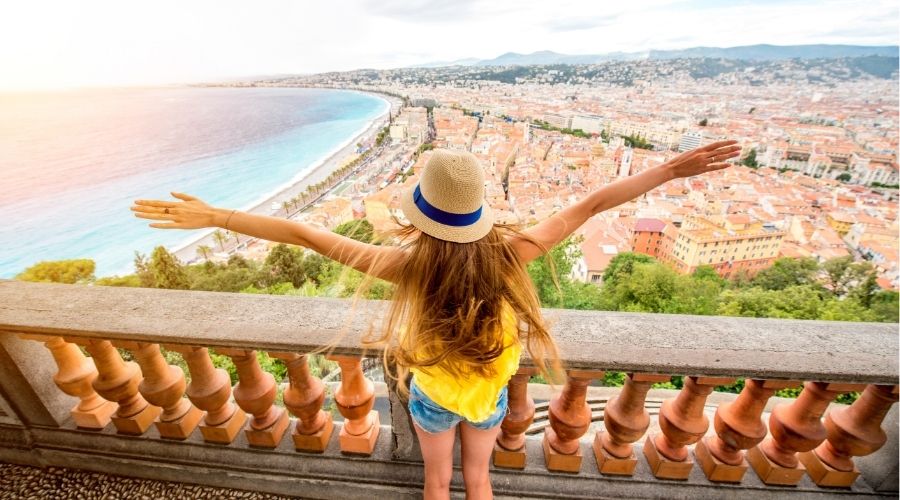
Nice is great spot to start your road trip in Le Midi. The Côte d’Azur Airport sits just 7 km (about 4.3 miles) from the city center, with direct flights from across Europe and seasonal connections from North America. Tram Line 2 will whisk you downtown in 20 to 30 minutes for under €2, and the major car rental agencies are all located right at the airport.
Our recommendation: spend your first two or three days exploring Nice on foot, allowing your body to adjust to French time, then pick up your rental car when you’re ready to head west. There’s no reason to navigate Riviera traffic with jet lag when the regional trains and buses can do the work for you.
The Route at a Glance
Distance: Roughly 1,000 km / 620 miles
Duration: 14 days / 13 nights (and easily stretched to 21) + a pre-road trip stay in and around Nice
Start: Nice, France
End: Barcelona, Spain
| Day | Stop | Nights | Why You’re Stopping |
|---|---|---|---|
| Pre-road trip stay | Arrive in Nice (pre-road trip, no car yet) | 2–3 | Riviera basecamp; day trips to Monaco, Èze, Antibes, Cannes |
| 1-2 | Riviera Hilltop Villages, then Cassis | 2 | Limestone calanques and turquoise swims |
| 3 | Aix-en-Provence | 1 | Cézanne’s elegant hometown |
| 4-6 | Saint-Rémy-de-Provence | 3 | The heart of Provence; Luberon villages |
| 7 | Nîmes or Arles | 1 | Roman ruins still in use |
| 8-10 | Montpellier | 3 | Bohemian base for the Camargue & Aveyron |
| 11 | Carcassonne | 1 | A medieval citadel come to life |
| 12 | Collioure + Figueres | 1 | Last French port + Dalí surrealism |
| 13-14 | Barcelona | 2 | Gaudí, tapas, and a slower exhale |
Starting in Nice and the French Riviera
Nice is the unofficial capital of the Côte d’Azur, and its old town — Vieux Nice — is a labyrinth of ochre buildings, narrow lanes, and small squares filled with the chatter of locals over an apéritif. Spend your mornings wandering the Cours Saleya market, where flower sellers display peonies and ranunculus beside vendors with sun-warmed tomatoes and tapenades. Try a slice of socca (a thin chickpea-flour pancake, a local Niçoise specialty) at Chez Pipo. Walk the Promenade des Anglais at golden hour, and climb Castle Hill (Colline du Château) for a panorama of terracotta rooftops tumbling toward the sea.
Because Nice is so well connected by train, the surrounding gems are all within easy reach without your car:
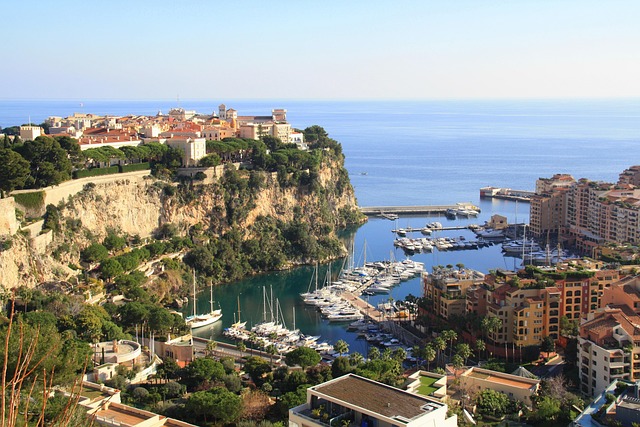
Monaco — The glamorous principality of the Grimaldi family. Watch the changing of the guard at the Prince’s Palace and wander the exotic gardens. A short and scenic train ride along the coast.
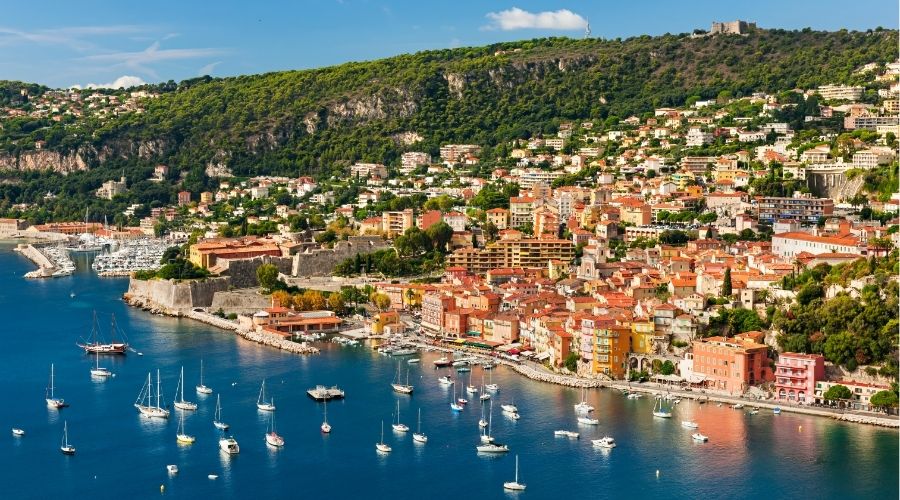
Villefranche-sur-Mer — In our opinion, one of the prettiest fishing ports on the entire Riviera. Pastel houses tumbling down to a perfect crescent bay. Just ten minutes from Nice by train.
Èze — A medieval village clinging to a cliff some 400 meters above the sea. Bring comfortable shoes; the climb is steep but the views are unforgettable.
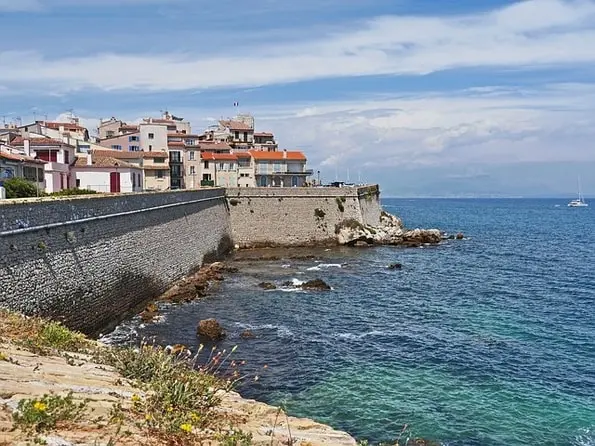
Antibes — Home to the Picasso Museum (housed in the painter’s former studio at the Château Grimaldi), a charming ramparts walk, and the cafes of the old town.
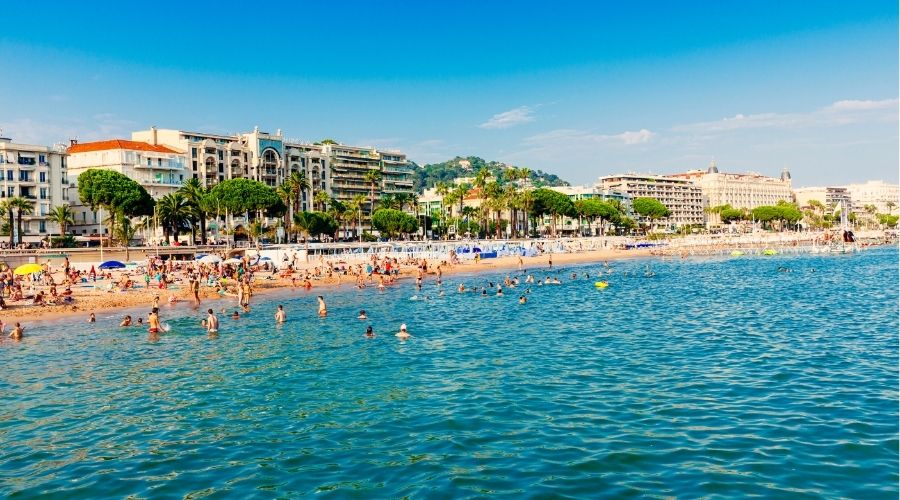
Cannes — Yes, the famous film festival town. Even without a red carpet, the Croisette and old port make for a delightful afternoon.
Grasse — The perfume capital of the world. Tour a parfumerie such as Fragonard or Galimard, and you’ll never look at a bottle of perfume the same way again.
Day 1-2: Saint-Paul-de-Vence, Haut-de-Cagnes, then Cassis (2 nights)
Time to collect your rental car and head west — but slowly, please! Your first stop should be Saint-Paul-de-Vence, one of the most beloved hilltop villages of the Côte d’Azur. Cobblestone lanes, stone archways draped in bougainvillea, art galleries tucked into ancient houses, and the world-class Fondation Maeght just outside town. Marc Chagall is buried here, in the village cemetery overlooking the valley.
Just below, Haut-de-Cagnes is a quieter alternative — the upper medieval village of Cagnes-sur-Mer — where Auguste Renoir spent his final years. His house and garden, now a museum, are a moving glimpse into the painter’s last creative chapter.
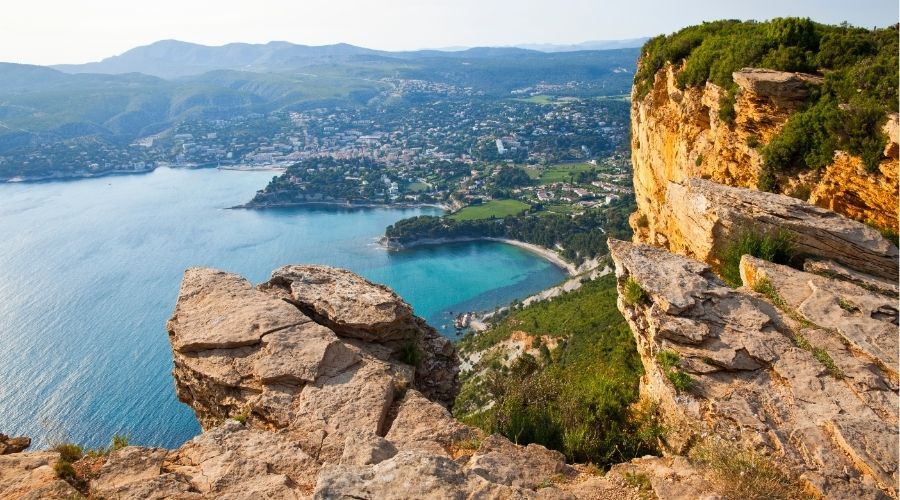
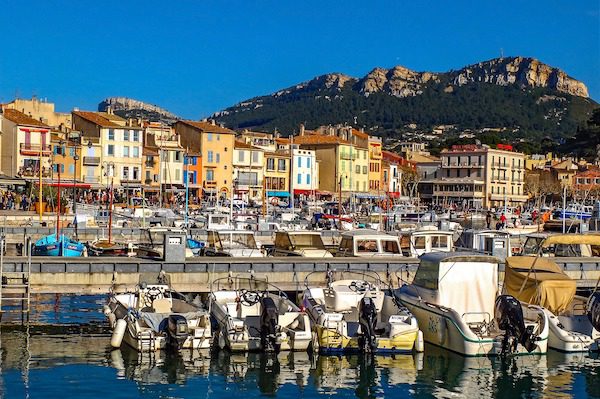
Skip Marseille on this trip (it deserves a journey of its own) and drive straight to Cassis, a small port town tucked between dramatic white cliffs and the legendary calanques — narrow limestone fjords whose turquoise waters rival those of the Caribbean. You’ll arrive at the end of the day, just in time for a leisurely stroll of the town and a fresh seafood dinner at a harborside table with a glass of the local Cassis white wine, one of Provence’s best-kept secrets.. The next day, take a boat tour from the harbor, or, if you’re feeling energetic, hike a section of the calanques.
Day 3: Aix-en-Provence (1 night)
An hour inland brings you to Aix-en-Provence, the elegant hometown of Paul Cézanne and, in many ways, the most refined city in Provence. Stroll the Cours Mirabeau beneath its canopy of plane trees, settle in at the historic Les Deux Garçons (a favorite of Cézanne and Émile Zola themselves), and lose yourself in the old town’s tangle of fountains, squares, and Saturday markets. Hôtel Aquabella is a lovely central choice, with the added joy of a thermal spa on-site — the perfect way to soothe road-weary legs.
Days 4-6: Saint-Rémy-de-Provence (3 nights, and you may wish for more)
If anywhere captures the soul of Provence, it is Saint-Rémy-de-Provence. This is Van Gogh country — the asylum of Saint-Paul-de-Mausole, where he painted The Starry Night, sits at the edge of the village. The town itself is small enough to walk in an afternoon, yet rich enough to keep you exploring for days. Plane-tree-shaded squares, excellent restaurants, antiques shops, and one of the finest Wednesday markets in all of Provence.
From Saint-Rémy, the riches of central Provence are all within an hour:
Châteauneuf-du-Pape — For lovers of wine, this village is essential. Tasting rooms abound, and the surrounding vineyards produce some of the most celebrated reds in France.
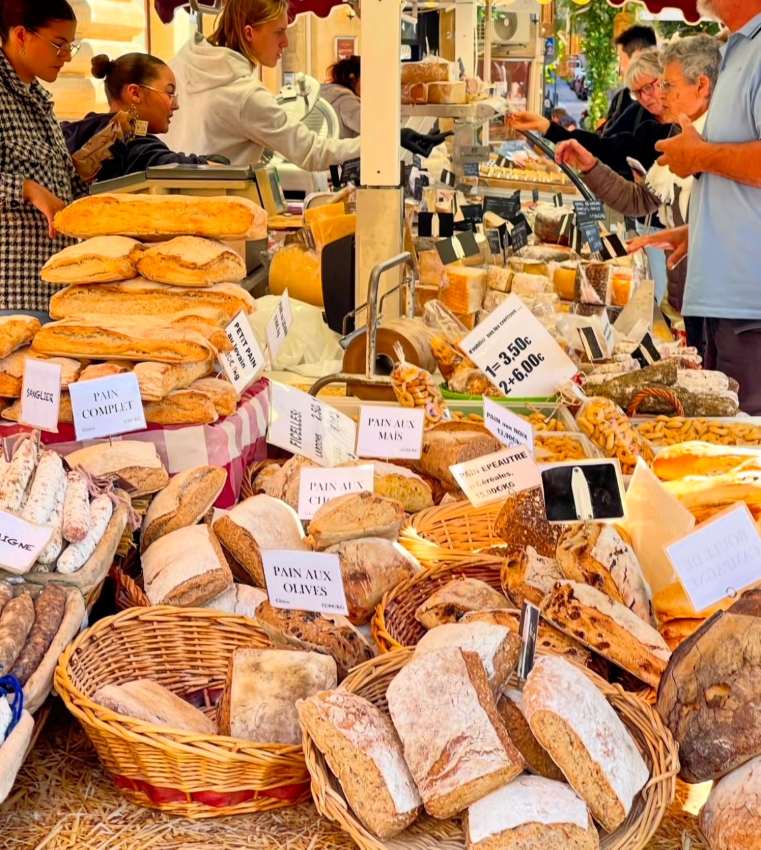
Eygalières Market (Friday mornings) — Smaller and more authentic than the larger market towns. Arrive early for the best produce and the most charming local atmosphere.
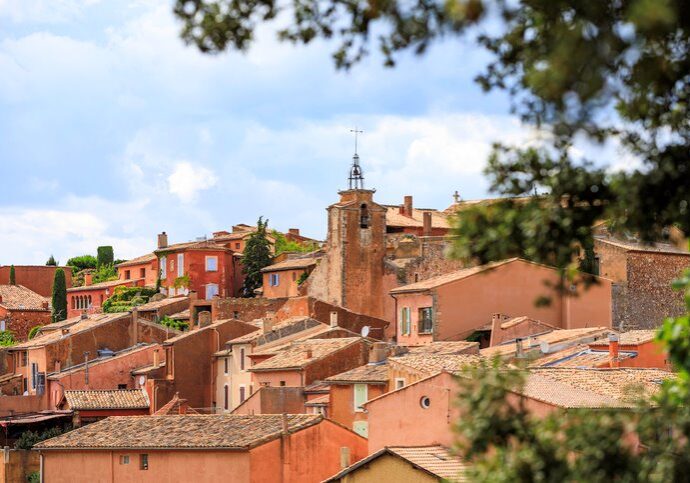
Gordes and Roussillon — Two of the most beautiful villages in France. Gordes is the postcard image of a Provençal stone village; Roussillon glows in shades of ochre red and orange, built into former pigment quarries.
Lourmarin — On the southern side of the Luberon. Albert Camus is buried here in the local cemetery. The Friday market is one of the loveliest in the region.
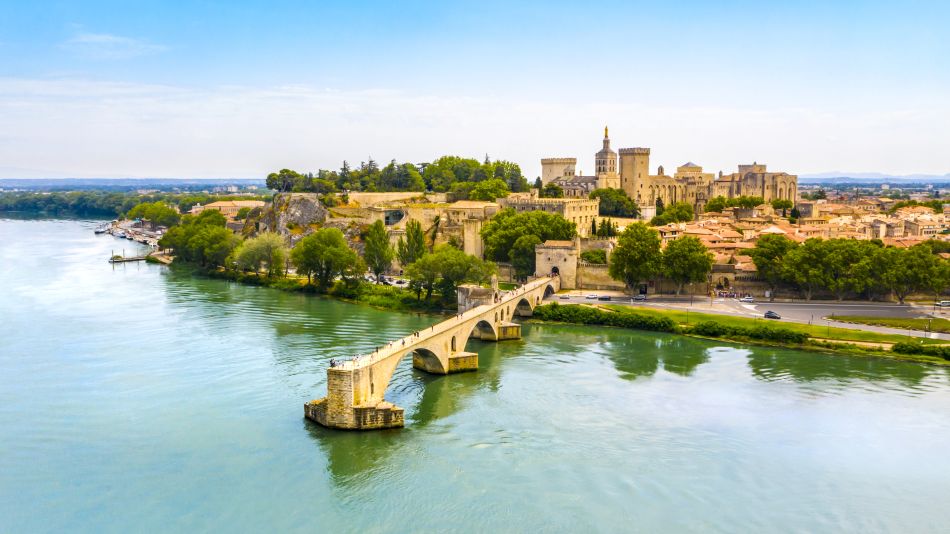
Avignon — The Palais des Papes, where seven popes once reigned in the 14th century, is one of the most impressive Gothic palaces in Europe. Don’t miss the famous half-bridge (le pont d’Avignon) immortalized in the children’s song.
Day 7: Arles and Nîmes, the French Rome (1 night)
Arles is worth at least a long stop on your way west. The Roman amphitheater, built in the 1st century AD, still hosts concerts and bullfights to this day. You can stand on the very corners Van Gogh painted, including the famous yellow café of Café Terrace at Night. From Arles, continue to Nîmes, affectionately called “the French Rome” for its astonishingly well-preserved Roman monuments. The Arena and the Maison Carrée are both nearly 2,000 years old and remain among the finest examples of Roman architecture anywhere outside of Italy.


Days 8-10: Montpellier and the Languedoc (3 nights)
Montpellier surprises many of our travelers. Younger, more bohemian, and more affordable than its Provençal neighbors, this thousand-year-old university town has a vibrant café culture, a beautifully preserved old quarter (Écusson), and a wonderful position from which to explore some of the most underrated corners of southern France.
Day trips from Montpellier:
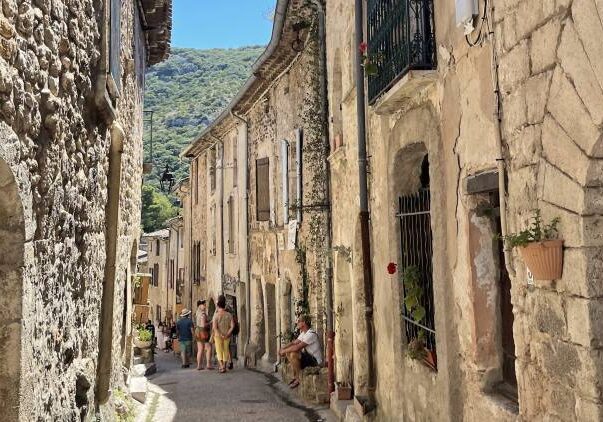
- Saint-Guilhem-le-Désert — Officially one of Les Plus Beaux Villages de France (the Most Beautiful Villages of France), this medieval abbey village is tucked dramatically into a gorge of the Languedoc countryside.
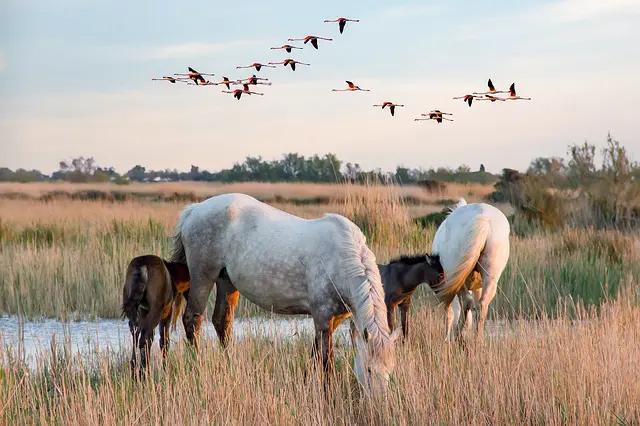
- Camargue 4×4 Safari — The Camargue is a wild marshland delta where you’ll find pink flamingos, sturdy white horses, and the famous black bulls. A guided 4×4 tour is the best way to immerse yourself in this otherworldly landscape.
- Le Grau-du-Roi Catamaran Tour — Spend a half-day under sail along the Mediterranean coast. Or, take a sunset catamaran tour followed by a fresh seafood dinner. Come earlier in the afternoon to enjoy the sandy beach and the blue water of Le Grau-du-roi.
- La Couvertoirade and the Roquefort Caves — A full-day excursion north into Aveyron to visit a fortified Templar village and taste blue cheese in the very caves where it has been aged for centuries. A long drive, yes, but absolutely worth it.
Day 11: Languedoc Coast — Pézenas, Narbonne, and the Canal du Midi
As you continue west, the landscape gently shifts. The vineyards take over, the architecture becomes a touch more rustic, and the Spanish border feels closer with every kilometer.
- Oysters at Le Saint-Pierre Tarbouriech — Near Marseillan, the Tarbouriech family raises some of the finest oysters in France using a tidal system unique to the Étang de Thau lagoon. Order a dozen and a glass of crisp Picpoul de Pinet. You can thank us later.
- Pézenas — The town of Molière, the great 17th-century playwright. A beautifully preserved old quarter full of antique shops and artisan ateliers.
- Narbonne — A former Roman port whose covered market, Les Halles, is one of the great culinary experiences of southern France. Plan your lunch around it.
- The Canal du Midi — A 17th-century UNESCO-listed engineering marvel, lined with plane trees and dotted with locks. Even a short walk or bike ride along its banks is delightful.
Day 12: Carcassonne (1 night)
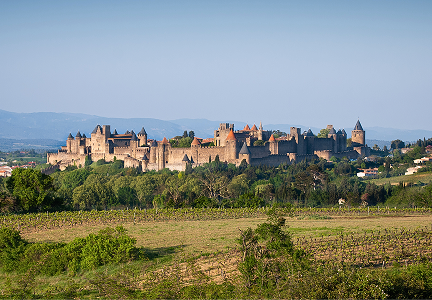
End the French portion of your journey in storybook fashion at Carcassonne, the largest fortified medieval citadel in Europe. With its double ring of walls and 52 towers, it looks like something from a fairy tale — yet it is over a thousand years old and beautifully real. We strongly recommend staying inside the walls of the Cité if you can. Once the day-trippers leave in late afternoon, the cobblestones empty and the place feels entirely yours.
Days 13-14: Crossing into Spain — Collioure, Figueres, Barcelona
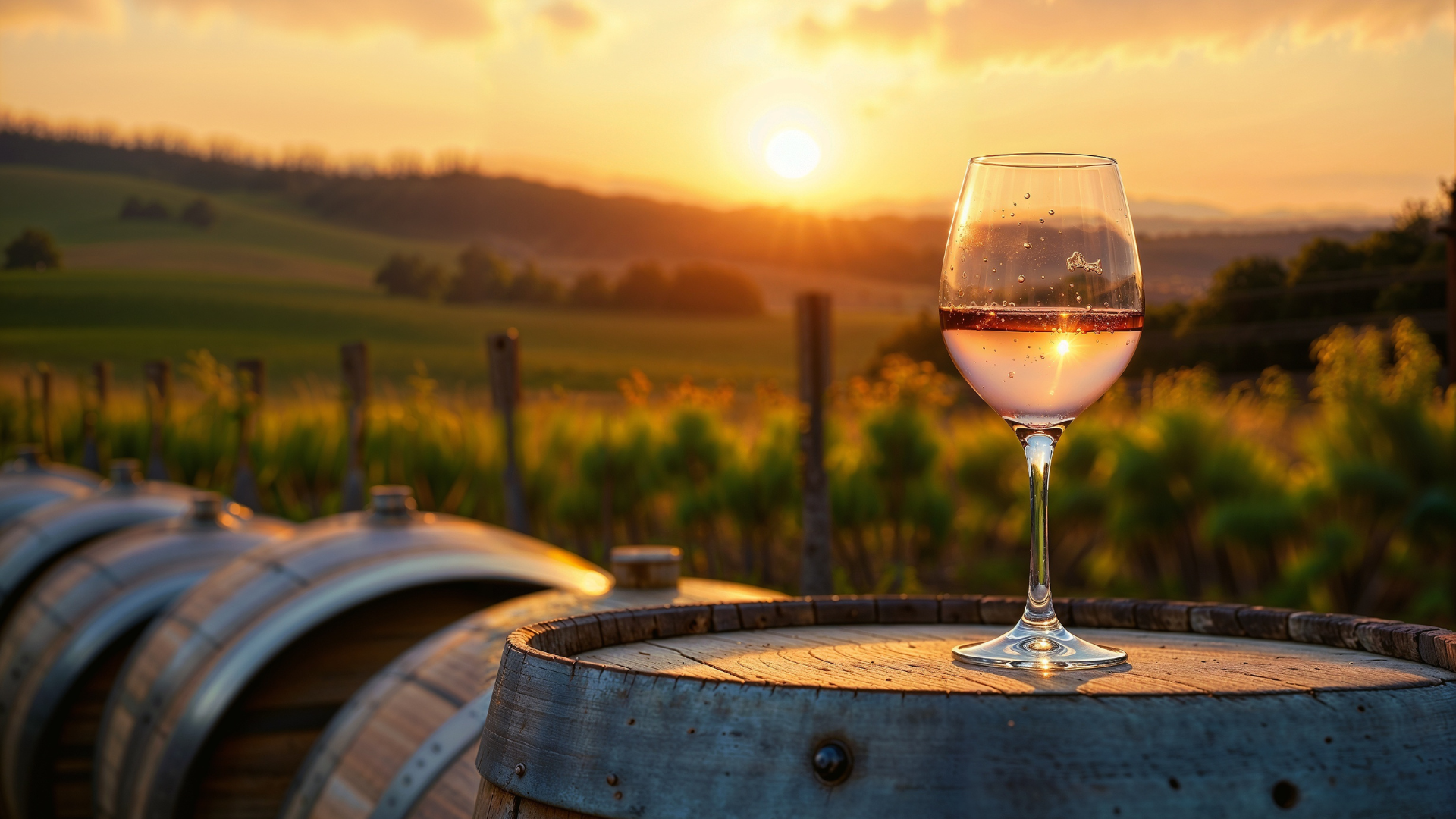
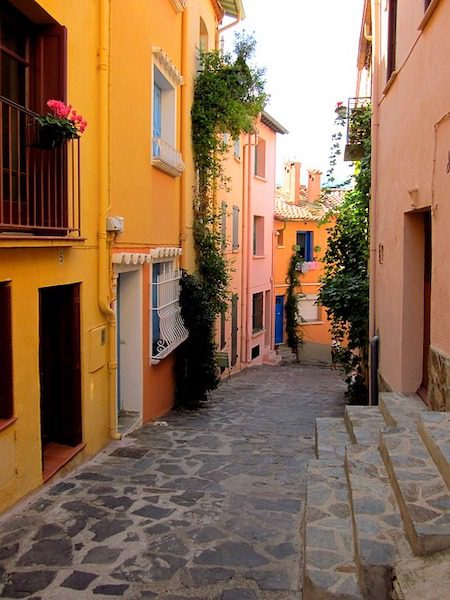
Heading south toward the Spanish border, make one last French stop in Collioure, a jewel of a fishing village on the Côte Vermeille where Henri Matisse and André Derain invented Fauvism in the summer of 1905. Even today, a series of easels along the harbor mark the exact spots from which they painted. Enjoy a plate of the famous Collioure anchovies, a glass of local rosé, and a long look at that half-moon harbor before crossing the border.
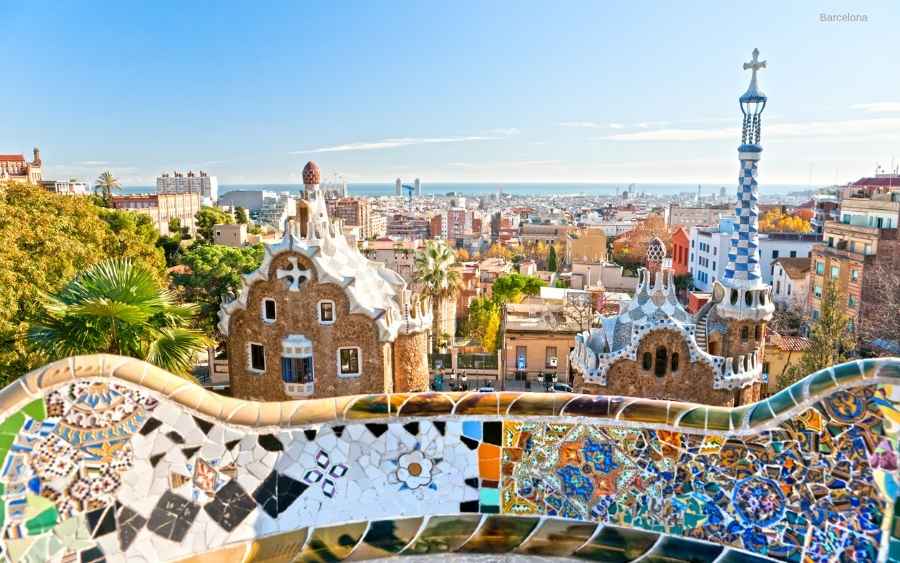
Once in Spain, stop in Figueres to visit the Dalí Theatre-Museum, designed by the surrealist himself and built atop the ruins of the town’s old theater. It is, without exaggeration, one of the most extraordinary museums in Europe. From Figueres, it is roughly 90 minutes to Barcelona, where you can return your rental car and ease into Catalan life: tapas at midnight, Gaudí’s curves and colors, and a rhythm of life that is somehow both unhurried and electric.
A Few Practical Notes
- Rental cars: Pick up in Nice, drop off in Barcelona. Cross-border drop-off fees do apply but are usually quite manageable. Book early in high season.
- Tolls: French autoroutes are tolled and not cheap, but they are fast and excellently maintained. Plan for around €60 to €80 in tolls across the full route.
- Driving in old towns: Don’t! Always park outside the village walls and continue on foot. Your GPS will sometimes try to send you down a stairway. Trust your eyes over the screen.
- Lunch is sacred: Most village restaurants serve lunch from 12 to 2 and then close until dinner. Plan accordingly, or you may end up with a sad gas-station baguette.
- Markets: Every town has its market day. Ask at your hotel or check the local tourisme website. The markets of Provence and the Languedoc are some of the most joyful experiences in France.
- General Travel Tips: Don’t forget to check out our 10 Essential Tips for a Smooth Vacation in France.
Conclusion
There is no single “right” way to drive the South of France. Some travelers chase the lavender fields; some follow the rhythm of village markets; some come for the wine, the Roman ruins, or simply the light. This itinerary is the one we love because it weaves all of those threads together — the Côte d’Azur’s glamour, the soul of Provence, the wild Camargue, the medieval Languedoc, and a final flourish across the Spanish border.
At TripUSAFrance, we believe the true magic of the South of France lies not in any single landmark, but in the slow pleasures in between — the unplanned village discovered around a bend, the conversation with a market vendor, the unhurried glass of rosé in a shaded square. If you would prefer to leave the driving (and the planning, and the language) to us, we would be delighted to welcome you on one of our small-group tours of Provence and the Languedoc.
Bon voyage, mes amis — and save room for one more rosé.
Keep reading about the South of France
- The True Meaning of Provence: Beyond Borders, A Way of Life
- Nîmes: France’s Hidden Gem of Roman Antiquity
- Les Baux-de-Provence: Must-See Village in Provence
- Discovering Le Grau-du-Roi: A Hidden Gem on the French Mediterranean
- 15 Things to do in Southern France
- 10 Essential Tips for a Smooth Vacation in France